Teeth Whitening Myths You Should Stop Believing
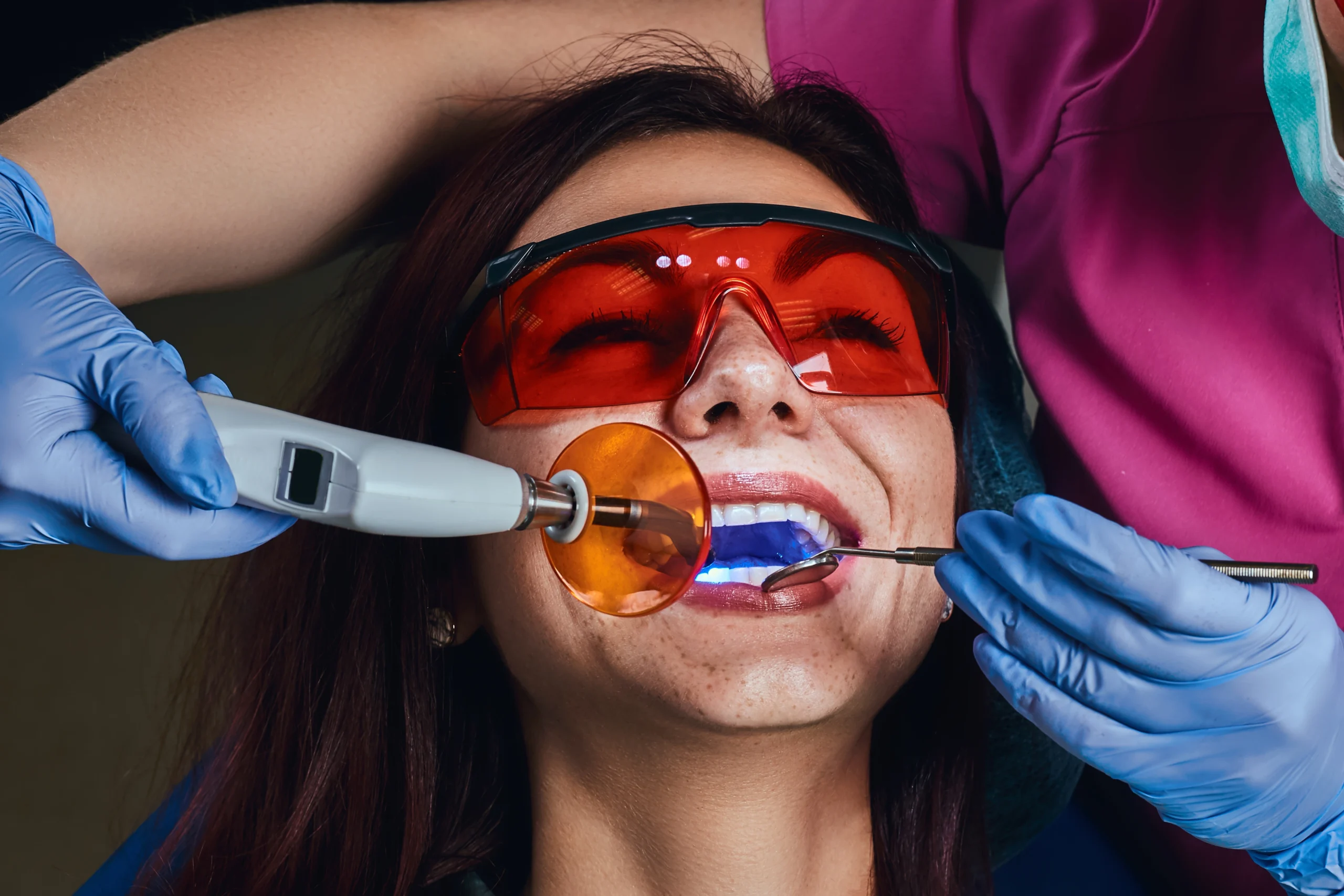
Teeth whitening is one of the most searched cosmetic dental treatments in India, and also one of the most misunderstood. Social media home remedies, exaggerated product marketing, and word-of-mouth half-truths have created a long list of misconceptions that stop people from making informed decisions — or worse, push them toward treatments that actually harm their teeth. If you have been holding back on whitening, or trying kitchen remedies in the hope of getting results, this guide is for you. Here are the most common teeth whitening myths, corrected with facts.
Myth 1: Teeth Whitening Damages Your Enamel
This is the most widespread fear surrounding teeth whitening, and it is largely unfounded when treatment is done correctly. Professional whitening uses peroxide-based gels — hydrogen peroxide or carbamide peroxide — that work by oxidising stain molecules within the enamel without removing or eroding the enamel itself. When applied at the right concentration, under professional supervision, these agents are safe and well within the limits recommended by dental associations globally.
The concern about enamel damage typically arises from overuse of over-the-counter products or DIY remedies that are either too abrasive or applied incorrectly. At our teeth whitening in Kasarvadavali clinic, every whitening treatment is preceded by a clinical assessment to ensure your enamel and gum health are suitable before any agent is applied.
Myth 2: Whitening Toothpaste Gives the Same Results as Professional Treatment
Whitening toothpastes are a convenient product but they work very differently from professional whitening. Most whitening toothpastes rely on mild abrasives and a small amount of low-concentration bleaching agent to remove surface stains — the kind caused by tea, coffee, or food that sit on the outermost layer of the tooth. They cannot penetrate deeper to address intrinsic discolouration, which is staining within the tooth structure itself caused by ageing, medication, or fluorosis.
Professional in-clinic whitening, by contrast, uses prescription-strength peroxide gels that reach both the surface and the inner layers of the tooth, delivering a result that is measurably several shades lighter. If your teeth are genuinely yellowed or stained, toothpaste alone will not get you where you want to be. It can, however, help maintain results between professional sessions.
Myth 3: Teeth Whitening Results Are Permanent
No whitening treatment — professional or otherwise — is permanent. The results from a professional whitening session typically last between one and two years, depending on your diet, oral hygiene routine, and lifestyle habits such as smoking or regular consumption of staining beverages like coffee, tea, and red wine.
The good news is that maintaining results is straightforward. A professional take-home whitening kit prescribed by your dentist, combined with a routine checkup and cleaning in Kasarvadavali, is usually enough to keep your smile looking bright between full treatment sessions. Expecting permanence from any whitening product is a set-up for disappointment; expecting excellent, maintainable results is entirely realistic.
Myth 4: Natural Remedies Like Lemon Juice and Baking Soda Are Safe for Whitening
This is one of the more harmful myths circulating on social media. Lemon juice is highly acidic and, when applied repeatedly to teeth, erodes enamel rather than whitening it. Once enamel is lost, it does not grow back — the damage is permanent and leads to increased sensitivity and a higher risk of decay.
Baking soda is mildly abrasive and can remove some surface staining, but regular use wears down the enamel surface over time. Charcoal-based products, another trending remedy, have similarly been found to be abrasive and potentially harmful with repeated use. None of these remedies have been clinically validated for safe, effective teeth whitening, and several dental associations have explicitly cautioned against them. When a shortcut can cause permanent damage, it is not worth the risk.
Myth 5: Teeth Whitening Works on Crowns, Veneers, and Fillings
Whitening agents only work on natural tooth enamel. They have no effect on dental restorations such as crowns, veneers, ceramic fillings, or composite bonding. If you whiten your natural teeth while you have existing restorations, the result can be uneven — your natural teeth lighten while the restorations stay the same shade, creating a visible mismatch.
This is one of the key reasons why professional consultation before whitening is important. At Hermes Dental Care, your dentist will review your existing dental work as part of the pre-treatment assessment and advise you on whether whitening is appropriate and how to manage shade matching. If you are planning to get new restorations such as veneers, whitening is ideally done first — the restoration shade is then matched to your newly lightened teeth. You can read more about how veneers and other procedures fit into a broader treatment plan on our cosmetic dentistry in Kasarvadavali page.
Myth 6: Teeth Whitening Always Causes Sensitivity
Sensitivity after teeth whitening is possible, but it is not inevitable and it is not permanent. A 2024 peer-reviewed study found that clear aligner and whitening patients often experience mild, temporary sensitivity that typically resolves within 24 to 48 hours after treatment. The key factors that influence sensitivity are the concentration of the whitening agent, the duration of application, and whether any underlying sensitivity issues exist before treatment begins.
Professional whitening treatments are designed with this in mind. Dentists can use lower-concentration gels applied over multiple sessions, include desensitising agents in the treatment protocol, or prescribe a potassium nitrate or fluoride gel to use alongside whitening to minimise discomfort. If you have a history of sensitivity, discuss it during your consultation — it is manageable, not a reason to avoid whitening entirely.
Myth 7: Over-the-Counter Whitening Kits Are Just as Good as Clinic Treatment
Over-the-counter whitening strips, gel trays, and LED kits have become widely available in India, and while some do produce modest improvements in surface staining, they are not equivalent to professional treatment. The primary reason is concentration: OTC products are formulated with lower peroxide levels to comply with safety regulations for unsupervised use. A professional in-clinic treatment uses significantly higher concentrations applied under controlled conditions.
There is also the issue of fit. Generic whitening trays are not made for your specific dental anatomy. Gel can leak onto the gums, causing irritation, and coverage is often uneven. Custom-fitted trays made by a dentist ensure the whitening agent reaches every tooth surface evenly and stays off the gum tissue. For anyone with existing dental work, sensitivity, or more than mild surface staining, a professional approach will always deliver a safer and more predictable result than anything available off the shelf.
Myth 8: Teeth Cannot Be Whitened If They Are Too Yellow or Stained
The degree to which teeth can be whitened depends on the type and depth of staining, not just the shade. Extrinsic stains — those on the outer surface caused by food, drink, and smoking — respond very well to professional whitening. Intrinsic stains that originate from within the tooth, such as those caused by tetracycline antibiotic use, certain fluorosis cases, or trauma, are more resistant and may require alternative cosmetic treatments such as smile designing in Kasarvadavali or porcelain veneers to achieve the desired result.
A professional assessment will tell you exactly what is achievable for your specific situation. The answer is almost never "nothing can be done" — it is more often a question of which treatment pathway will get you the best result.
Why Choose Us?
Choose Hermes Dental Care for expert, patient-focused dental care in Thane West, tailored to your needs at every stage — from preventive check-ups to advanced treatments. Our team prioritises personalised care in a clean, comfortable environment, ensuring a stress-free experience every time you visit. With a focus on modern technology, transparent guidance, and gentle treatment approaches, we help you achieve a healthy, confident smile. Whether it is routine dental care, cosmetic dentistry, or specialised procedures, we are here to support you — call 8766906524 or visit https://hermesdentalcare.in/ to book your appointment.
Frequently Asked Questions
Q1. How long does professional teeth whitening last?
Professional teeth whitening results typically last one to two years; results vary based on diet, lifestyle habits, and how consistently aftercare is followed.
Q2. Is teeth whitening safe for sensitive teeth?
Yes, with modifications — your dentist can use lower-concentration gels, shorter application times, and desensitising agents to make the treatment comfortable for patients with sensitivity.
Q3. How many sessions does professional whitening take?
Most patients achieve their desired result in one in-clinic session lasting 60 to 90 minutes; some cases may benefit from a follow-up session or a take-home maintenance kit.
Q4. Can I whiten my teeth if I have fillings or crowns?
Whitening agents do not affect existing dental restorations; your dentist will assess your existing work and advise on whether whitening is appropriate and how to manage any shade differences.
Q5. Does teeth whitening work on all types of stains?
Professional whitening works best on extrinsic surface stains; deep intrinsic stains from medication or trauma may require alternative cosmetic treatments such as veneers or smile designing.
Q6. At what age is teeth whitening recommended?
Teeth whitening is generally recommended for patients 18 years and above, once the teeth and roots have fully developed; a dentist will confirm suitability during consultation.
Citations
- American Dental Association — Tooth Whitening: https://www.ada.org/resources/research/science-and-research-institute/oral-health-topics/tooth-whitening
- National Library of Medicine — Efficacy and Safety of Tooth Bleaching (2024): https://pmc.ncbi.nlm.nih.gov/articles/PMC11426652/
- Colgate India — Teeth Whitening Safety and Facts: https://www.colgate.com/en-in/oral-health/teeth-whitening
- WebMD — Teeth Whitening: What You Should Know: https://www.webmd.com/oral-health/teeth-whitening
- Mayo Clinic — Whitening: What Dental Research Shows: https://www.mayoclinic.org/healthy-lifestyle/adult-health/expert-answers/whitening-toothpaste/faq-20058411
Related Posts