A dental crown is one of the most reliable restorations in dentistry — it covers and protects a damaged or root-canal-treated tooth and is designed to last a decade or more with proper care. But one question patients in Kasarvadavali and across Thane West ask more often than you might expect is whether it is possible to get a cavity underneath a crown. The short answer is yes — and understanding how and why this happens is important whether you currently have a crown, are about to get one, or are noticing symptoms around an existing restoration. This guide covers the causes, warning signs, and treatment options for decay under a dental crown.
How Can Decay Form Under a Crown?
A dental crown covers the visible portion of the tooth above the gum line, but it does not seal the tooth permanently in every direction. At the base of the crown — where it meets the gum — there is a margin, a fine junction between the crown edge and the remaining natural tooth structure below. Over time, this margin can develop micro-gaps due to cement washout, gum recession, wear, or crown age, creating an entry point for bacteria.
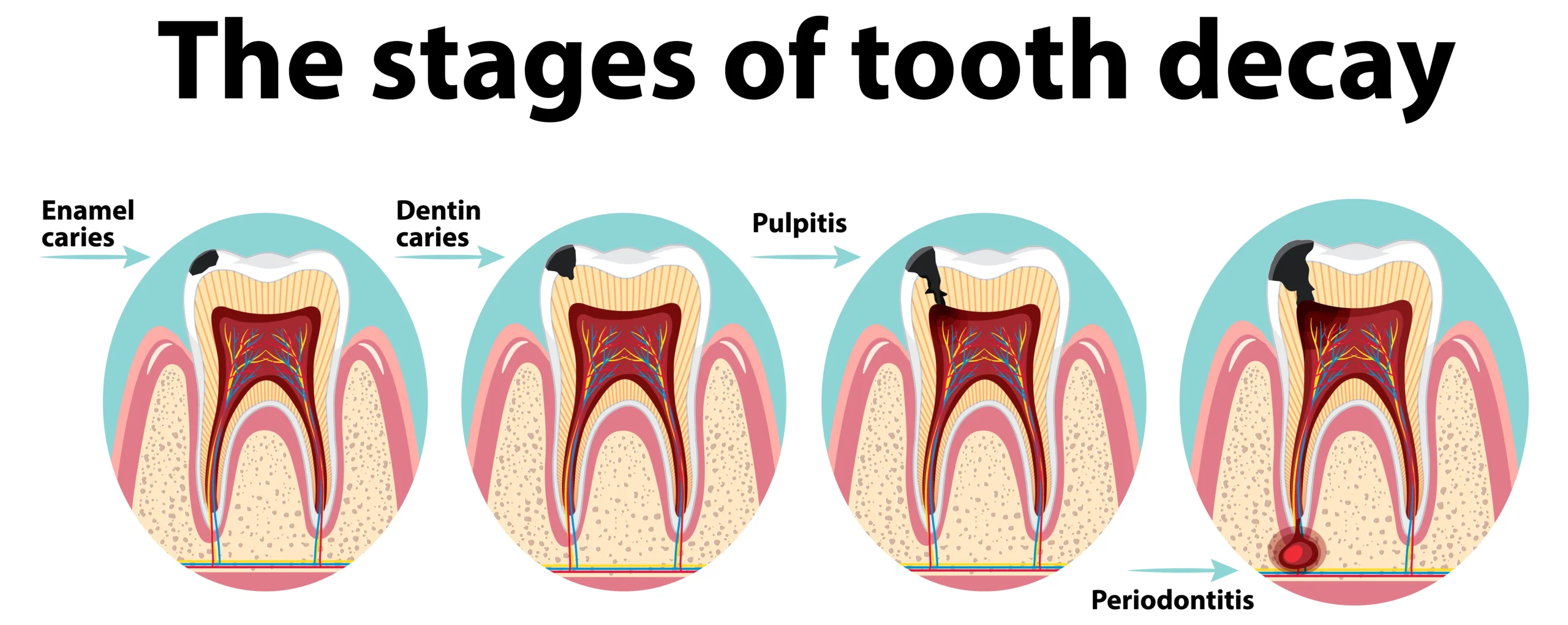
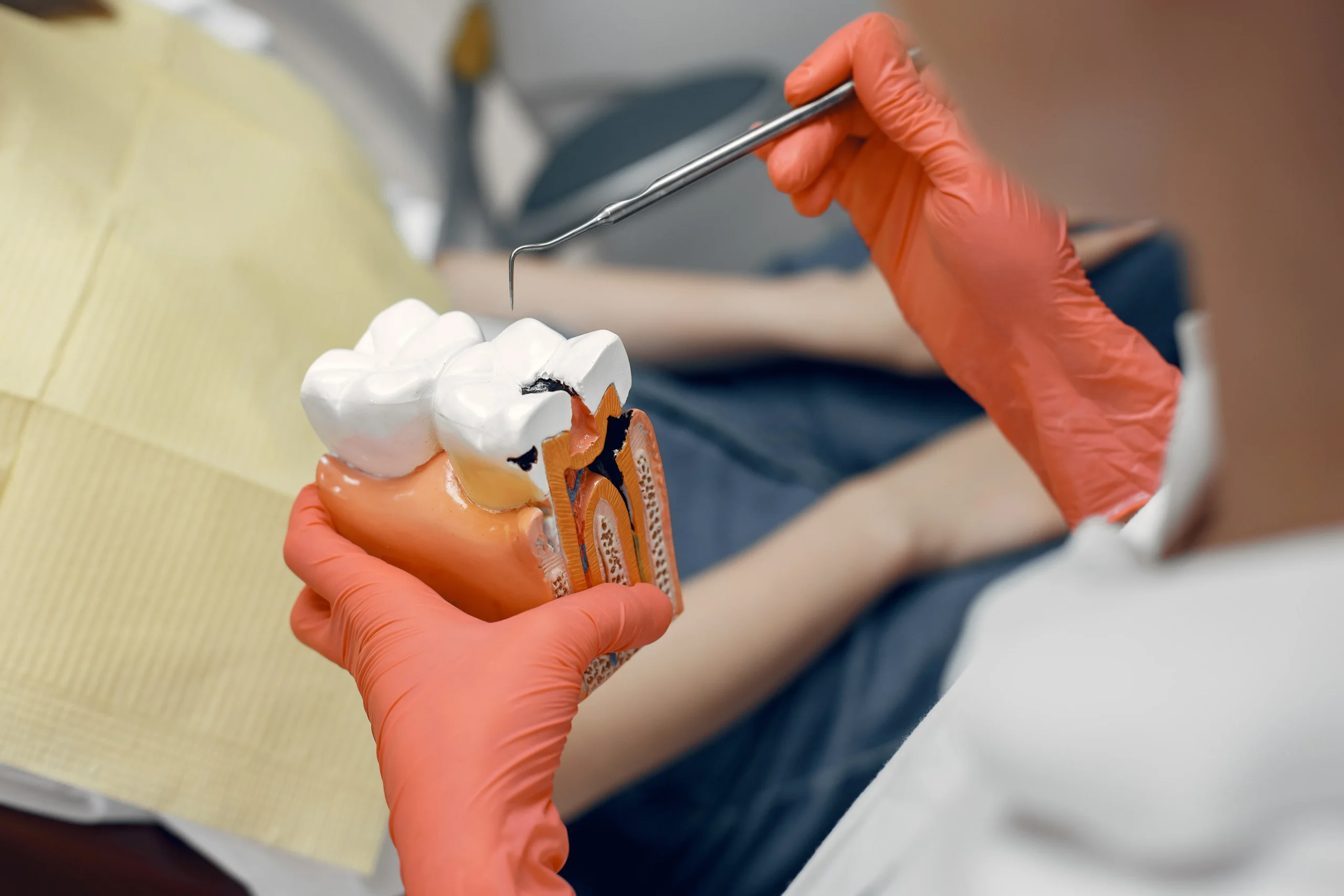
The natural tooth structure beneath and around the crown — particularly at the crown margin — remains vulnerable to the same bacterial acid attack that causes decay in any other tooth. If plaque accumulates at the gum line around the crown and is not removed consistently through brushing and flossing, decay can begin at the margin and work its way inward under the crown, completely out of sight until symptoms emerge or an X-ray is taken.
This type of decay is called recurrent caries or secondary caries — decay that forms at or adjacent to an existing restoration rather than on a pristine tooth surface.
Common Causes of Decay Under a Crown
Poor oral hygiene at the crown margin: The junction where a crown meets the gum line is a plaque trap. If this area is not cleaned thoroughly with brushing and flossing every day, plaque builds up, bacteria produce acid, and decay begins at the margin. This is the most common cause of recurrent caries under a crown.
Crown age and cement degradation: Dental crowns are typically cemented with luting agents that can weaken over many years. As the cement degrades, micro-gaps form between the crown and the tooth — these gaps allow bacteria and oral fluids to seep under the crown, creating ideal conditions for decay. Crowns placed more than ten to fifteen years ago are at higher risk of cement breakdown.
Gum recession: As the gum recedes — due to age, aggressive brushing, or gum disease — more of the root surface and crown margin becomes exposed. Root surfaces have no enamel protection and are significantly more susceptible to decay than enamel-covered tooth structure. Exposed crown margins combined with root exposure create a particularly high-risk zone for recurrent caries. If you are experiencing gum recession alongside a crown, our gum treatments in Kasarvadavali team can assess whether active management is needed.
Diet high in sugar and acid: A diet rich in sugar and acidic foods accelerates bacterial acid production throughout the mouth, including at crown margins. Patients with multiple crowns and a high-sugar diet are at heightened risk for recurrent caries across multiple sites simultaneously.
Dry mouth: Saliva is the mouth’s natural defence against bacterial acid — it neutralises acid and helps remineralise weakened enamel. Reduced saliva flow, caused by certain medications, medical conditions, or mouth breathing, removes this protective buffer and significantly increases cavity risk at all sites, including crown margins.
Ill-fitting or old crowns: A crown that no longer fits precisely — either because it was never a perfect marginal fit or because the underlying tooth has changed — creates larger gaps at the margin that are harder to clean and more easily colonised by bacteria.
Signs That You May Have Decay Under a Crown
The challenge with decay under a crown is that it is largely invisible from the outside and often painless in the early stages — particularly if the tooth was previously root canal-treated and has no living nerve. This makes routine X-rays at regular dental checkups the most important detection tool for this condition.
That said, several signs may indicate that something is wrong with a crowned tooth:
Sensitivity or pain: If a crowned tooth develops sensitivity to hot, cold, or sweet — or starts producing a dull ache or throbbing pain — this may indicate that decay has reached living tooth structure beneath the crown or that the nerve of the tooth is being affected. A root-canal-treated tooth should not be sensitive at all; any sensation from such a tooth warrants immediate assessment.
Pain when biting: New pain or discomfort when chewing or biting on a crowned tooth can indicate decay, a crack in the underlying tooth, or a failing crown margin.
Visible darkening at the gum line: A dark line or shadow at the junction between the crown and the gum may indicate that decay is present at the margin and has progressed enough to be visually detectable.
Loose or shifting crown: If the cement has washed out or the underlying tooth structure has deteriorated through decay, the crown may feel loose, rock slightly, or come off entirely. A crown that has debonded should be assessed immediately — the exposed tooth structure decays rapidly without its protective covering.
Bad taste or odour near the crown: Persistent bad taste or odour localised around a specific crown can indicate bacterial activity and decay beneath the restoration.
If you are experiencing any of these symptoms, a clinical examination and digital X-ray at our general dentistry clinic in Kasarvadavali will establish whether the crown is the source of the problem and what intervention is needed.
How Is Decay Under a Crown Diagnosed?
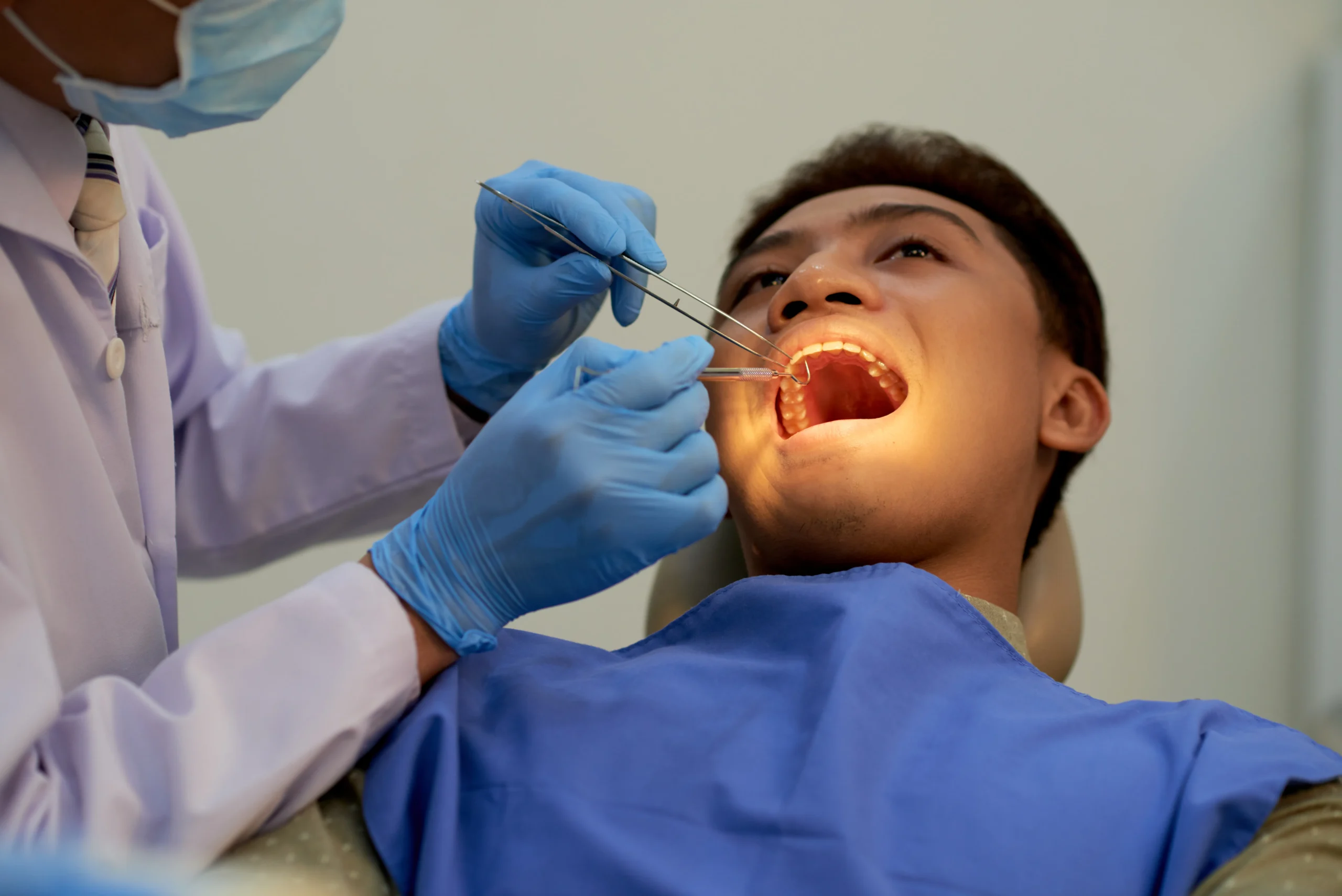
Recurrent caries under a crown cannot be detected by visual examination alone in most cases, because the crown conceals what is underneath. Diagnosis requires:
Dental X-rays (bitewing or periapical): X-rays reveal decay at the crown margins and below the crown that is invisible to the eye. This is one of the primary clinical reasons why routine checkups and cleanings in Kasarvadavali that include periodic X-rays are essential — not just for uncrowned teeth but for all existing restorations. The standard recommendation of X-rays every twelve to twenty-four months exists specifically to catch problems like this before they escalate.
Clinical probing: A dental probe used around the crown margin can detect softness or gaps in the cement line that suggest breakdown.
Sensitivity testing: For teeth with a living nerve, thermal and percussion tests help determine whether the pulp is affected.
Treatment Options for Decay Under a Crown
The treatment depends entirely on how far the decay has progressed when it is detected.
Crown removal and re-crowning: If the decay is caught early and has not compromised too much of the underlying tooth structure, the crown is removed, the decay is excavated and cleaned, the tooth is rebuilt if necessary, and a new crown is placed. This is the most common treatment pathway for recurrent caries under a crown detected at a routine X-ray review.
Root canal treatment followed by re-crowning: If the decay has reached the pulp and caused infection, root canal treatment is required before the tooth can be re-crowned. The infected pulp is removed, the canal is cleaned and sealed, and a new crown restores the tooth. This is the same situation as a first-time root canal on an uncrowned tooth — the crown simply has to come off first.
Tooth extraction and replacement: If the decay is so extensive that insufficient tooth structure remains to support a new crown, extraction becomes necessary. In this scenario, replacing the missing tooth with a dental implant is the recommended option — implants preserve bone, restore full function, and look and feel like natural teeth. A bridge is an alternative where implant placement is not suitable.
The earlier decay is detected, the simpler and less expensive the treatment. A crown that is removed and re-made because of early marginal decay is a significantly smaller clinical intervention and lower cost than one that has progressed to root canal retreatment or extraction and implant placement.
How to Prevent Decay Under a Crown
Preventing recurrent caries under a crown follows the same fundamentals as preventing decay anywhere else, with particular attention to the crown margins:
Brush twice daily with a fluoride toothpaste, angling the brush toward the gum line to clean the crown margin area effectively. Floss daily — crown margins are a high-risk plaque zone and flossing is the only way to clean between the crown and adjacent teeth at the gum line. Consider using an interdental brush or water flosser if standard floss is difficult to use around crowns. Attend professional cleanings and checkups every six months — mechanical tartar removal and X-ray review catch what home care cannot. Manage any gum recession early through our gum treatments service in Kasarvadavali before exposed root surfaces become a decay site. Have old crowns assessed if they are more than ten years old — cement degradation and marginal breakdown are age-related and detectable before symptoms develop.
Why Choose Us?
Choose Hermes Dental Care for expert, patient-focused dental care in Thane West, tailored to your needs at every stage — from preventive check-ups to advanced treatments. Our team prioritises personalised care in a clean, comfortable environment, ensuring a stress-free experience every time you visit. With a focus on modern technology, transparent guidance, and gentle treatment approaches, we help you achieve a healthy, confident smile. Whether it is routine dental care, cosmetic dentistry, or specialised procedures, we are here to support you — call 8766906524 or visit https://hermesdentalcare.in/ to book your appointment.
Frequently Asked Questions
Q1. Can you get a cavity under a dental crown?
Yes — decay can form at the margin where the crown meets the natural tooth, particularly if oral hygiene at the gum line is inconsistent or if the crown cement has degraded over time.
Q2. How do I know if I have decay under my crown?
Sensitivity, pain when biting, a dark line at the gum, bad taste near the tooth, or a loose crown are all potential signs; however, early decay under a crown is often symptom-free and detected only through routine X-rays, which is why regular checkups are essential.
Q3. Does a crowned tooth need a root canal if it gets a cavity?
Only if the decay reaches the pulp — decay caught early at the crown margin can often be treated by removing the crown, excavating the decay, and placing a new crown without root canal treatment.
Q4. How long should a dental crown last?
A well-made and properly maintained crown typically lasts ten to fifteen years or longer; lifespan depends on the material used, oral hygiene, bite forces, and whether marginal decay or cement failure develops over time.
Q5. Can decay under a crown be fixed without removing the crown?
No — the crown must be removed to access and treat the decay beneath it; there is no way to treat recurrent caries under a crown without lifting the restoration first.
Q6. What happens if decay under a crown is left untreated?
Untreated decay under a crown progresses through the remaining tooth structure, eventually reaching the pulp and causing infection — which requires root canal treatment or, if the tooth is unsalvageable, extraction and replacement.
Citations
- American Dental Association — Recurrent Caries and Crown Failure: https://www.ada.org/resources/research/science-and-research-institute/oral-health-topics/caries-risk-assessment-and-management
- National Library of Medicine — Secondary Caries Under Fixed Restorations: A Review: https://pmc.ncbi.nlm.nih.gov/articles/PMC5885814/
- Mayo Clinic — Dental Crown Overview: https://www.mayoclinic.org/tests-procedures/dental-crowns/about/pac-20384474
- WebMD — Dental Crowns: What to Expect: https://www.webmd.com/oral-health/dental-crowns
- Colgate India — Can You Get a Cavity Under a Crown: https://www.colgate.com/en-in/oral-health/crowns/can-you-get-a-cavity-under-a-crown