
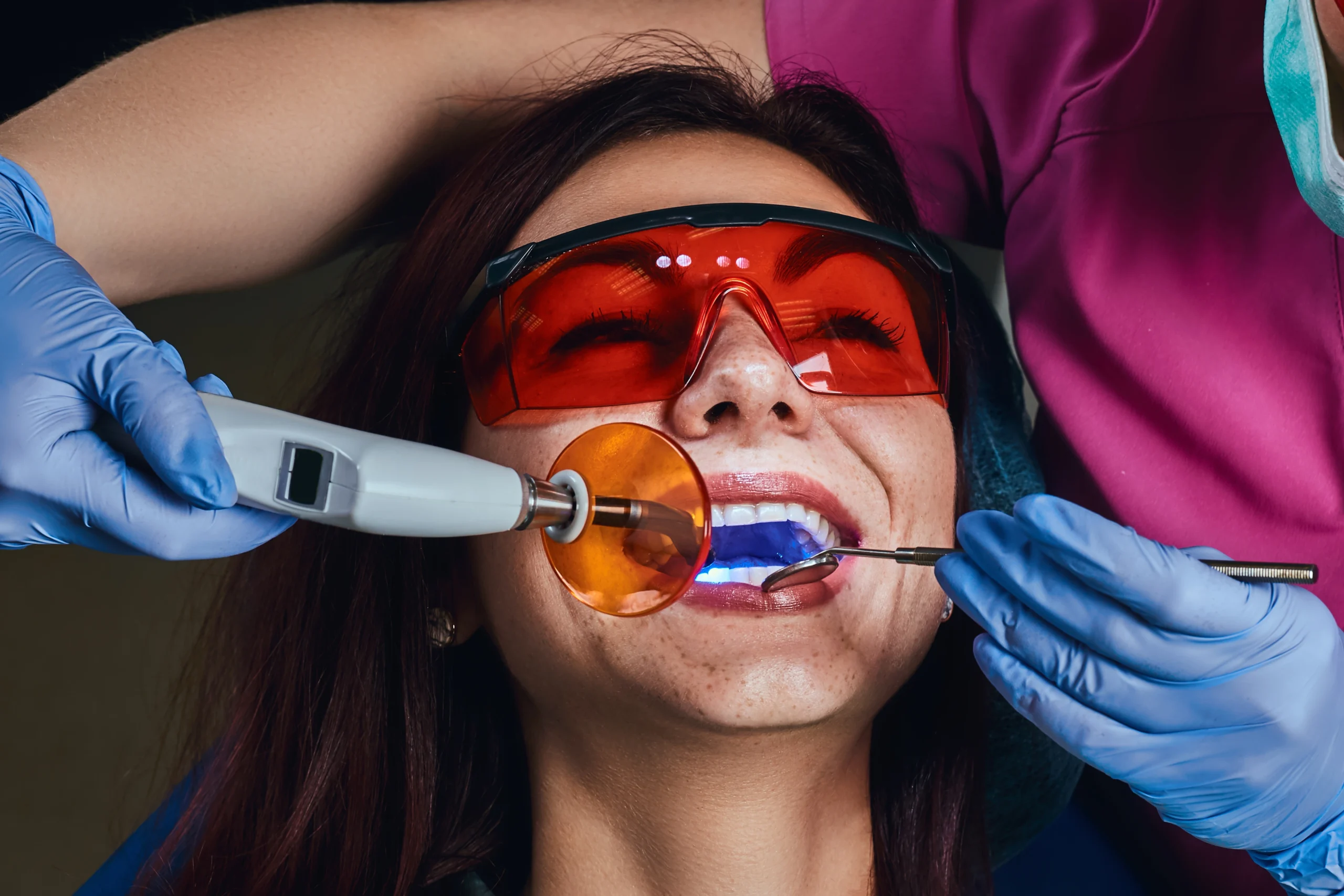
Teeth Whitening Myths You Should Stop Believing

Teeth whitening is one of the most searched cosmetic dental treatments in India, and also one of the most misunderstood. Social media home remedies, exaggerated product marketing, and word-of-mouth half-truths have created a long list of misconceptions that stop people from making informed decisions — or worse, push them toward treatments that actually harm their teeth. If you have been holding back on whitening, or trying kitchen remedies in the hope of getting results, this guide is for you. Here are the most common teeth whitening myths, corrected with facts.

Myth 1: Teeth Whitening Damages Your Enamel

This is the most widespread fear surrounding teeth whitening, and it is largely unfounded when treatment is done correctly. Professional whitening uses peroxide-based gels — hydrogen peroxide or carbamide peroxide — that work by oxidising stain molecules within the enamel without removing or eroding the enamel itself. When applied at the right concentration, under professional supervision, these agents are safe and well within the limits recommended by dental associations globally.

The concern about enamel damage typically arises from overuse of over-the-counter products or DIY remedies that are either too abrasive or applied incorrectly. At our teeth whitening in Kasarvadavali clinic, every whitening treatment is preceded by a clinical assessment to ensure your enamel and gum health are suitable before any agent is applied.

Myth 2: Whitening Toothpaste Gives the Same Results as Professional Treatment

Whitening toothpastes are a convenient product but they work very differently from professional whitening. Most whitening toothpastes rely on mild abrasives and a small amount of low-concentration bleaching agent to remove surface stains — the kind caused by tea, coffee, or food that sit on the outermost layer of the tooth. They cannot penetrate deeper to address intrinsic discolouration, which is staining within the tooth structure itself caused by ageing, medication, or fluorosis.

Professional in-clinic whitening, by contrast, uses prescription-strength peroxide gels that reach both the surface and the inner layers of the tooth, delivering a result that is measurably several shades lighter. If your teeth are genuinely yellowed or stained, toothpaste alone will not get you where you want to be. It can, however, help maintain results between professional sessions.

Myth 3: Teeth Whitening Results Are Permanent

No whitening treatment — professional or otherwise — is permanent. The results from a professional whitening session typically last between one and two years, depending on your diet, oral hygiene routine, and lifestyle habits such as smoking or regular consumption of staining beverages like coffee, tea, and red wine.

The good news is that maintaining results is straightforward. A professional take-home whitening kit prescribed by your dentist, combined with a routine checkup and cleaning in Kasarvadavali, is usually enough to keep your smile looking bright between full treatment sessions. Expecting permanence from any whitening product is a set-up for disappointment; expecting excellent, maintainable results is entirely realistic.

Myth 4: Natural Remedies Like Lemon Juice and Baking Soda Are Safe for Whitening

This is one of the more harmful myths circulating on social media. Lemon juice is highly acidic and, when applied repeatedly to teeth, erodes enamel rather than whitening it. Once enamel is lost, it does not grow back — the damage is permanent and leads to increased sensitivity and a higher risk of decay.

Baking soda is mildly abrasive and can remove some surface staining, but regular use wears down the enamel surface over time. Charcoal-based products, another trending remedy, have similarly been found to be abrasive and potentially harmful with repeated use. None of these remedies have been clinically validated for safe, effective teeth whitening, and several dental associations have explicitly cautioned against them. When a shortcut can cause permanent damage, it is not worth the risk.

Myth 5: Teeth Whitening Works on Crowns, Veneers, and Fillings

Whitening agents only work on natural tooth enamel. They have no effect on dental restorations such as crowns, veneers, ceramic fillings, or composite bonding. If you whiten your natural teeth while you have existing restorations, the result can be uneven — your natural teeth lighten while the restorations stay the same shade, creating a visible mismatch.

This is one of the key reasons why professional consultation before whitening is important. At Hermes Dental Care, your dentist will review your existing dental work as part of the pre-treatment assessment and advise you on whether whitening is appropriate and how to manage shade matching. If you are planning to get new restorations such as veneers, whitening is ideally done first — the restoration shade is then matched to your newly lightened teeth. You can read more about how veneers and other procedures fit into a broader treatment plan on our cosmetic dentistry in Kasarvadavali page.

Myth 6: Teeth Whitening Always Causes Sensitivity

Sensitivity after teeth whitening is possible, but it is not inevitable and it is not permanent. A 2024 peer-reviewed study found that clear aligner and whitening patients often experience mild, temporary sensitivity that typically resolves within 24 to 48 hours after treatment. The key factors that influence sensitivity are the concentration of the whitening agent, the duration of application, and whether any underlying sensitivity issues exist before treatment begins.

Professional whitening treatments are designed with this in mind. Dentists can use lower-concentration gels applied over multiple sessions, include desensitising agents in the treatment protocol, or prescribe a potassium nitrate or fluoride gel to use alongside whitening to minimise discomfort. If you have a history of sensitivity, discuss it during your consultation — it is manageable, not a reason to avoid whitening entirely.

Myth 7: Over-the-Counter Whitening Kits Are Just as Good as Clinic Treatment

Over-the-counter whitening strips, gel trays, and LED kits have become widely available in India, and while some do produce modest improvements in surface staining, they are not equivalent to professional treatment. The primary reason is concentration: OTC products are formulated with lower peroxide levels to comply with safety regulations for unsupervised use. A professional in-clinic treatment uses significantly higher concentrations applied under controlled conditions.

There is also the issue of fit. Generic whitening trays are not made for your specific dental anatomy. Gel can leak onto the gums, causing irritation, and coverage is often uneven. Custom-fitted trays made by a dentist ensure the whitening agent reaches every tooth surface evenly and stays off the gum tissue. For anyone with existing dental work, sensitivity, or more than mild surface staining, a professional approach will always deliver a safer and more predictable result than anything available off the shelf.

Myth 8: Teeth Cannot Be Whitened If They Are Too Yellow or Stained

The degree to which teeth can be whitened depends on the type and depth of staining, not just the shade. Extrinsic stains — those on the outer surface caused by food, drink, and smoking — respond very well to professional whitening. Intrinsic stains that originate from within the tooth, such as those caused by tetracycline antibiotic use, certain fluorosis cases, or trauma, are more resistant and may require alternative cosmetic treatments such as smile designing in Kasarvadavali or porcelain veneers to achieve the desired result.

A professional assessment will tell you exactly what is achievable for your specific situation. The answer is almost never “nothing can be done” — it is more often a question of which treatment pathway will get you the best result.

Why Choose Us?

Choose Hermes Dental Care for expert, patient-focused dental care in Thane West, tailored to your needs at every stage — from preventive check-ups to advanced treatments. Our team prioritises personalised care in a clean, comfortable environment, ensuring a stress-free experience every time you visit. With a focus on modern technology, transparent guidance, and gentle treatment approaches, we help you achieve a healthy, confident smile. Whether it is routine dental care, cosmetic dentistry, or specialised procedures, we are here to support you — call 8766906524 or visit https://hermesdentalcare.in/ to book your appointment.

Frequently Asked Questions

Q1. How long does professional teeth whitening last?

Professional teeth whitening results typically last one to two years; results vary based on diet, lifestyle habits, and how consistently aftercare is followed.

Q2. Is teeth whitening safe for sensitive teeth?

Yes, with modifications — your dentist can use lower-concentration gels, shorter application times, and desensitising agents to make the treatment comfortable for patients with sensitivity.

Q3. How many sessions does professional whitening take?

Most patients achieve their desired result in one in-clinic session lasting 60 to 90 minutes; some cases may benefit from a follow-up session or a take-home maintenance kit.

Q4. Can I whiten my teeth if I have fillings or crowns?

Whitening agents do not affect existing dental restorations; your dentist will assess your existing work and advise on whether whitening is appropriate and how to manage any shade differences.

Q5. Does teeth whitening work on all types of stains?

Professional whitening works best on extrinsic surface stains; deep intrinsic stains from medication or trauma may require alternative cosmetic treatments such as veneers or smile designing.

Q6. At what age is teeth whitening recommended?

Teeth whitening is generally recommended for patients 18 years and above, once the teeth and roots have fully developed; a dentist will confirm suitability during consultation.

Citations

  1. American Dental Association — Tooth Whitening: https://www.ada.org/resources/research/science-and-research-institute/oral-health-topics/tooth-whitening
  2. National Library of Medicine — Efficacy and Safety of Tooth Bleaching (2024): https://pmc.ncbi.nlm.nih.gov/articles/PMC11426652/
  3. Colgate India — Teeth Whitening Safety and Facts: https://www.colgate.com/en-in/oral-health/teeth-whitening
  4. WebMD — Teeth Whitening: What You Should Know: https://www.webmd.com/oral-health/teeth-whitening
  5. Mayo Clinic — Whitening: What Dental Research Shows: https://www.mayoclinic.org/healthy-lifestyle/adult-health/expert-answers/whitening-toothpaste/faq-20058411
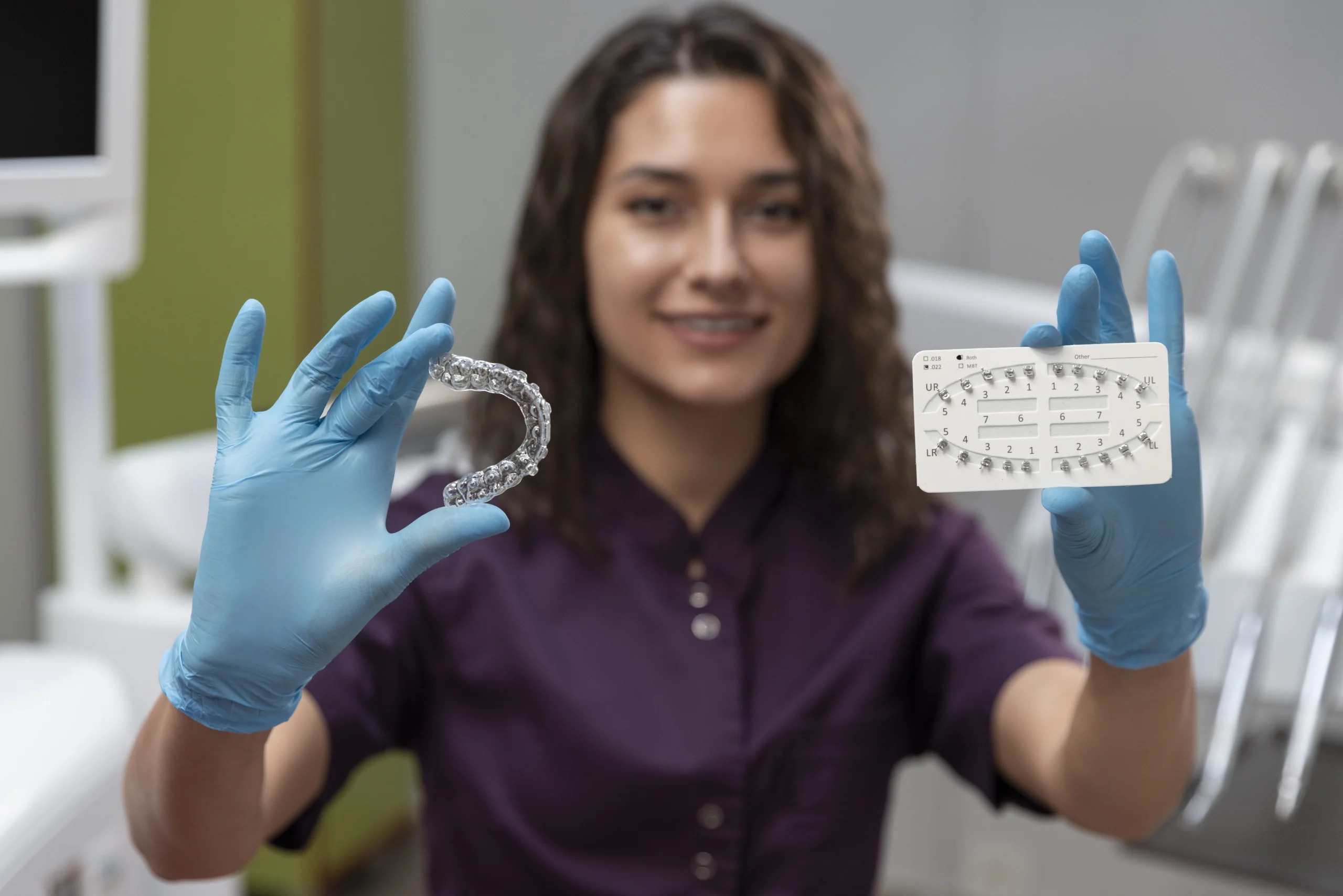
What Is Cosmetic Dentistry? Procedures, Benefits and What to Expect

A smile is often the first thing people notice, and for many patients in Kasarvadavali and across Thane West, improving the appearance of their teeth is a goal they have carried for years. Cosmetic dentistry makes that possible. Whether you want whiter teeth, a corrected chip, reshaped gums, or a complete smile transformation, modern cosmetic dental procedures offer precise, long-lasting results with minimal discomfort. This guide explains what cosmetic dentistry actually is, which treatments fall under it, who it is suitable for, and what you can realistically expect.

What Is Cosmetic Dentistry?

Cosmetic dentistry is a branch of dental science focused on improving the appearance of teeth, gums, and the overall smile. Unlike general dentistry in Kasarvadavali, which primarily addresses oral health, function, and disease prevention, cosmetic dentistry targets aesthetics — how your smile looks, feels, and presents to the world.

That said, many cosmetic dental procedures carry functional benefits as well. Dental veneers protect weakened enamel. Composite bonding repairs chips that could worsen over time. Dental implants replace missing teeth and prevent bone loss. Teeth straightening through aligners or orthodontics reduces crowding that can make cleaning difficult. The line between cosmetic and restorative dentistry is not always a sharp one, and a well-planned cosmetic treatment plan often delivers both.

Common Cosmetic Dentistry Procedures

Teeth Whitening

Teeth whitening in Kasarvadavali is the most popular cosmetic dentistry treatment. Professional in-clinic whitening uses prescription-strength bleaching agents to remove stains caused by coffee, tea, food, smoking, and ageing — producing results significantly stronger than any over-the-counter product. A professional whitening session is typically completed in a single visit and can lighten teeth by several shades. Take-home whitening kits prescribed by a dentist offer a more gradual alternative using custom trays.

Dental Veneers

Veneers are thin, custom-made shells — most commonly made from porcelain or composite resin — bonded to the front surface of the teeth. They are used to correct a wide range of cosmetic concerns: chipped or cracked teeth, discolouration that does not respond to whitening, uneven tooth shape, minor gaps, and slight misalignment. Porcelain veneers are highly durable and stain-resistant, typically lasting 10 to 15 years with proper care. Composite veneers are more affordable and can often be completed in a single appointment. To explore whether veneers are the right option for your case, visit our cosmetic dentistry in Kasarvadavali page for a full overview of available treatments.

Smile Designing

Smile designing — also called a smile makeover — is a comprehensive treatment plan that combines multiple cosmetic procedures to transform the overall appearance of your smile. It takes into account the shape, proportion, colour, and alignment of your teeth relative to your facial features, gum line, and lips. At Hermes Dental Care, smile designing in Kasarvadavali is planned using digital previews so patients can see an estimated outcome before committing to any procedure.

Dental Bonding

Composite bonding involves applying a tooth-coloured resin material directly onto the tooth surface to repair chips, cracks, minor gaps, or surface discolouration. It is one of the most affordable cosmetic dental treatments, requires minimal or no enamel removal, and is typically completed in a single visit. While not as long-lasting as porcelain veneers, bonding can last four to eight years with good oral hygiene.

Dental Implants

Dental implants replace missing teeth with a titanium post anchored into the jawbone, topped with a custom crown that looks and functions like a natural tooth. From a cosmetic standpoint, implants restore a complete, natural-looking smile and prevent the sunken facial appearance that often accompanies long-term tooth loss. They are considered the most permanent and functional tooth replacement option currently available.

Gum Contouring

An uneven or excessive gum line can affect how much of the teeth are visible and alter the perceived proportions of your smile. Gum contouring — also called gum reshaping or gum lifting — uses laser or surgical techniques to remove excess gum tissue and create a more balanced, symmetrical smile. Recovery is minimal with laser-based procedures, and results are permanent. Complex gum-related cases may fall under the scope of our oral surgery in Kasarvadavali services.

Teeth Straightening

Orthodontic treatment using traditional braces or clear aligners such as Invisalign is included under the cosmetic dentistry umbrella when the primary motivation is aesthetic improvement. Straightening crowded, gapped, or misaligned teeth dramatically changes the appearance of a smile and also improves oral hygiene by making teeth easier to clean. You can read our detailed Invisalign vs braces comparison if you are currently evaluating both options.

Who Is Cosmetic Dentistry Suitable For?

Cosmetic dentistry is suitable for most healthy adults who have good foundational oral health. Before any cosmetic treatment, a dentist will assess for cavities, gum disease, and structural issues that need to be addressed first. It is important to understand that cosmetic treatments are designed to enhance an already stable foundation — not to substitute for basic dental care. If you are overdue for a check-up, our routine checkups and cleanings in Kasarvadavali are the right starting point before pursuing any cosmetic procedure.

Common reasons patients seek cosmetic dentistry in Thane West include:

  • Teeth that are yellowed or stained despite regular brushing
  • Chipped, cracked, or worn teeth from grinding
  • Gaps or spacing between front teeth
  • Gummy smile or uneven gum line
  • One or more missing teeth
  • General dissatisfaction with the shape, size, or proportion of their smile

How Long Do Cosmetic Dental Treatments Last?

Longevity varies by procedure and how well the results are maintained.

Teeth whitening results typically last one to two years before a touch-up is needed, depending on diet and lifestyle habits. Dental bonding lasts four to eight years. Porcelain veneers last 10 to 15 years on average. Dental implants, with proper care, are considered a lifetime solution. Retainers after orthodontic treatment are required long-term to maintain alignment.

Routine dental check-ups, good oral hygiene, and avoiding habits that stain or damage teeth — such as smoking or biting hard objects — significantly extend the life of all cosmetic treatments.

What to Expect at a Cosmetic Dentistry Consultation

At a cosmetic dentistry consultation at our dental clinic in Kasarvadavali, your dentist will begin with a full assessment of your oral health — including X-rays if needed — followed by a discussion of your aesthetic goals. You will receive a clear explanation of which procedures are suitable for your case, an honest timeline, and a transparent cost estimate before any treatment begins.

Many patients come in knowing they are unhappy with their smile but unsure of what is achievable. A good consultation should leave you with a realistic picture of your options, the likely outcome, and the investment involved — so you can make a fully informed decision.

Why Choose Us?

Choose Hermes Dental Care for expert, patient-focused dental care in Thane West, tailored to your needs at every stage — from preventive check-ups to advanced treatments. Our team prioritises personalised care in a clean, comfortable environment, ensuring a stress-free experience every time you visit. With a focus on modern technology, transparent guidance, and gentle treatment approaches, we help you achieve a healthy, confident smile. Whether it is routine dental care, cosmetic dentistry, or specialised procedures, we are here to support you — call 8766906524 or visit https://hermesdentalcare.in/ to book your appointment.

Frequently Asked Questions

Q1. Is cosmetic dentistry painful?

Most cosmetic dental procedures involve little to no discomfort; treatments like veneers or whitening are performed under local anaesthesia or are non-invasive, and any sensitivity after treatment is typically mild and short-lived.

Q2. How much does cosmetic dentistry cost in Thane?

Costs vary widely by procedure — teeth whitening starts from approximately Rs. 3,000 to Rs. 8,000, veneers from Rs. 8,000 to Rs. 20,000 per tooth, and smile designing packages vary based on the combination of treatments involved; a consultation will give you a precise estimate.

Q3. Is cosmetic dentistry permanent?

Some procedures, such as dental implants, deliver permanent results; others, like whitening or bonding, require periodic maintenance or replacement over time.

Q4. Can cosmetic dentistry fix crooked teeth without braces?

Minor misalignment can sometimes be corrected with veneers or bonding; however, significant crowding or bite issues require orthodontic treatment such as braces or clear aligners for proper correction.

Q5. At what age can someone get cosmetic dental treatment?

Most cosmetic procedures are recommended for adults once the teeth and jaw have fully developed, typically from 18 years onward; a dentist will assess suitability at the consultation.

Q6. Does cosmetic dentistry affect natural teeth?

Some procedures, such as porcelain veneers, require a small amount of enamel removal; your dentist will always explain the extent of any preparation needed and whether it is reversible before proceeding.

Citations

  1. American Academy of Cosmetic Dentistry — What Is Cosmetic Dentistry: https://www.aacd.com/learn/cosmetic-dentistry-procedures/
  2. Colgate India — Five Types of Cosmetic Dentistry Procedures: https://www.colgate.com/en-in/oral-health/dental-visits/five-types-of-cosmetic-dentistry-procedures
  3. Mayo Clinic — Dental Veneers: https://www.mayoclinic.org/tests-procedures/dental-veneers/about/pac-20384555
  4. WebMD — Cosmetic Dentistry Overview: https://www.webmd.com/oral-health/cosmetic-dentistry-overview
  5. National Library of Medicine — Aesthetic Dentistry: Current Trends and Patient Expectations: https://pubmed.ncbi.nlm.nih.gov/

Invisalign vs Braces: Cost, Results and Treatment Time Compared

If you are considering teeth straightening treatment in Thane West, one of the first decisions you will face is choosing between Invisalign clear aligners and traditional braces. Both options effectively straighten teeth, correct bite issues, and improve oral health — but they differ significantly in how they work, what they cost, and how they fit into your daily life. This comparison covers everything you need to know to make an informed choice.

What Is the Difference Between Invisalign and Braces?

Traditional braces use metal brackets bonded to the teeth, connected by archwires that are periodically tightened to shift teeth into alignment. They are fixed in place throughout the treatment period and can only be removed by a dentist.

Invisalign uses a series of custom-made, clear removable aligners — made from smooth, medical-grade plastic — that are changed every one to two weeks as your teeth gradually move into position. Each aligner is precisely designed using 3D digital scans of your teeth. You remove them while eating, drinking, brushing, and flossing, then wear them for a minimum of 22 hours per day for the treatment to progress on schedule.

Both approaches can treat crowding, spacing, overbites, underbites, and crossbites. The right choice depends on the complexity of your case, your lifestyle, and your priorities.

Cost Comparison: Invisalign vs Braces in Thane

Cost is often the deciding factor for patients at our dental clinic in Kasarvadavali. Here is a realistic breakdown of what you can expect in the Thane and Mumbai region:

Traditional Metal Braces Metal braces remain the most affordable orthodontic option. In Thane West, the typical cost for a full course of metal braces ranges from approximately Rs. 25,000 to Rs. 60,000, depending on case complexity and whether any extractions or additional procedures are required. Ceramic braces, which are tooth-coloured and less visible, generally cost slightly more — typically Rs. 40,000 to Rs. 80,000 for a full treatment.

Invisalign Clear Aligners Invisalign treatment in India ranges from approximately Rs. 1,25,000 to Rs. 3,50,000, with the final figure depending on how many aligners are needed, the severity of misalignment, and the experience level of the treating dentist. Mild cases require fewer aligners and fall at the lower end of this range; complex cases involving significant bite correction will be priced higher.

Hidden Costs to Watch For When comparing costs at any dental clinic, check whether the quoted price includes adjustment visits, X-rays, retainers, and emergency appointments. These can add Rs. 10,000 to Rs. 30,000 to the total at some clinics. At Hermes Dental Care, we provide a clear, itemised cost estimate before any treatment begins so you understand exactly what is included.

Treatment Time: Which Option Is Faster?

Treatment duration varies by the complexity of each individual case, but general timelines for comparison are as follows:

Traditional Braces: Most patients complete treatment in 18 to 24 months. Severe misalignment or bite issues may require up to 36 months in some cases.

Invisalign: Mild to moderate cases can often be resolved in 6 to 18 months. A 2024 comparative clinical analysis published in the National Library of Medicine confirmed that Invisalign showed a shorter average treatment period compared to conventional braces while achieving equally good outcomes.

One important caveat with Invisalign: the treatment timeline assumes you are wearing your aligners for the required 22 hours per day. If aligners are frequently removed or forgotten, treatment will take longer. With braces, compliance is not a factor since they are fixed.

Results: Which Option Works Better?

For mild to moderate misalignment, both Invisalign and traditional braces deliver comparable results. The key differences emerge at the extremes of complexity.

Where Braces Have the Edge: Braces are generally better suited for severe crowding, complex bite corrections, significant tooth rotations, and cases involving younger patients whose jaws are still developing. Because braces are fixed, the dentist has more precise, continuous control over tooth movement at every stage.

Where Invisalign Has the Edge: Invisalign offers excellent results for mild to moderate cases and for adults who want a discreet treatment experience. The digital treatment planning process allows patients to see a simulation of their projected results before committing to treatment. Invisalign is also effective for patients who have previously had braces but need a refinement or have experienced relapse.

After Both Treatments: Retainers are required after both Invisalign and braces to maintain your results. Skipping retainers is the single most common reason teeth shift back after orthodontic treatment. This applies whether you chose aligners or metal braces.

Comfort and Daily Life

Invisalign aligners are made of smooth plastic and do not have brackets or wires that can irritate the inner cheeks and gums. A 2024 peer-reviewed study noted that clear aligner patients reported significantly lower pain scores compared to braces wearers, particularly during the first week of treatment.

With traditional braces, the wire and bracket system can cause soreness after each adjustment appointment, and certain foods — such as hard, crunchy, or sticky items — must be avoided entirely throughout treatment to prevent breakages.

Oral hygiene is also more straightforward with Invisalign since the aligners are removed for brushing and flossing. With braces, cleaning around brackets and wires requires additional tools and more time.

Both options require regular clinic visits: braces typically need adjustments every four to six weeks, while Invisalign checkups may be spaced slightly further apart depending on your progress.

Which Option Is Right for You?

Consider Invisalign if: You are an adult or working professional who wants a discreet treatment, your case is mild to moderate, you have strong compliance habits, and you are comfortable with the higher investment.

Consider Braces if: You have a complex or severe orthodontic case, you are treating a child or teenager, cost is a primary consideration, or your dentist recommends them based on clinical assessment.

The most reliable way to decide is through a professional orthodontic consultation, which includes X-rays and a full bite assessment. Our team at Hermes Dental Care in Kasarvadavali offers personalised consultations to evaluate your specific case and recommend the most effective, cost-efficient treatment plan. You can also explore our Smile Designing in Kasarvadavali and Cosmetic Dentistry in Kasarvadavali services if you are looking to combine orthodontic treatment with broader smile improvements.

Why Choose Us?

Choose Hermes Dental Care for expert, patient-focused dental care in Thane West, tailored to your needs at every stage — from preventive check-ups to advanced treatments. Our team prioritises personalised care in a clean, comfortable environment, ensuring a stress-free experience every time you visit. With a focus on modern technology, transparent guidance, and gentle treatment approaches, we help you achieve a healthy, confident smile. Whether it is routine dental care, cosmetic dentistry, or specialised procedures, we are here to support you — call 8766906524 or visit https://hermesdentalcare.in/ to book your appointment.

Frequently Asked Questions

Q1. Can Invisalign fix severe misalignment?

Invisalign works well for mild to moderate cases; severe crowding or complex bite issues are generally better treated with traditional braces, which your dentist will assess during consultation.

Q2. Is Invisalign suitable for teenagers?

Yes, Invisalign offers a Teen version designed for younger patients, though its success depends on the teen’s ability to consistently wear the aligners for the required 22 hours per day.

Q3. How long do I need to wear retainers after treatment?

Retainers are typically worn full-time for the first few months after treatment, then nightly long-term; skipping retainers is the primary cause of teeth shifting back after orthodontic treatment.

Q4. Does Invisalign cost more than braces in Thane?

Yes, Invisalign is generally two to three times the cost of metal braces; however, the final difference depends on case complexity and the specific treatment plan recommended by your dentist.

Q5. Can I switch from braces to Invisalign mid-treatment?

In some cases this is possible, but it depends on what stage of treatment you are at and the clinical assessment of your dentist; a consultation is needed to determine feasibility.

Q6. Are the results of Invisalign and braces the same?

For mild to moderate misalignment, outcomes are comparable; for complex cases, braces may deliver more precise correction since the dentist has continuous, direct control over tooth movement.

Citations

  1. American Association of Orthodontists — Understanding Orthodontic Treatment: https://www.aaoinfo.org/treatments/
  2. National Library of Medicine — Comparative Analysis of Clear Aligners vs Braces (2024): https://pmc.ncbi.nlm.nih.gov/articles/PMC11426652/
  3. Invisalign India — Official Treatment Overview: https://www.invisalign.in/
  4. WebMD — Braces vs Clear Aligners: https://www.webmd.com/oral-health/dental-braces
  5. Mayo Clinic — Dental Braces: https://www.mayoclinic.org/tests-procedures/braces/about/pac-20384598

Root Canal Treatment: 10 Common Questions Answered

Root canal treatment is one of the most talked-about yet most misunderstood dental procedures. Patients in Kasarvadavali and across Thane West often come to us carrying fears built on myths rather than facts. This guide answers the 10 most common questions about root canal treatment so you know exactly what to expect before, during, and after the procedure.

1. What Is Root Canal Treatment?

Root canal treatment, also called RCT or endodontic treatment, is a procedure designed to save a tooth that has been severely infected or damaged. The dentist removes the infected pulp — the soft tissue inside the tooth containing nerves and blood vessels — cleans and disinfects the inner chamber, and seals it to prevent re-infection. The goal is to preserve your natural tooth rather than extract it.

2. How Do I Know If I Need a Root Canal?

Common signs that you may need root canal treatment include persistent toothache, prolonged sensitivity to hot or cold, darkening of the tooth, swelling or tenderness in the nearby gums, or a recurring pimple on the gums. However, some cases show no obvious symptoms, which is why regular dental check-ups at a trusted dental clinic in Kasarvadavali are important. Early diagnosis leads to simpler treatment.

3. Is Root Canal Treatment Painful?

This is the most common concern patients raise. With modern anaesthesia and advanced dental techniques, root canal treatment today is no more uncomfortable than getting a standard filling placed. Most patients at our dental clinic in Thane West report feeling pressure but not sharp pain during the procedure. Any mild soreness after the procedure typically resolves within a few days and can be managed with over-the-counter pain relief.

4. How Long Does a Root Canal Treatment Take?

A straightforward root canal treatment usually takes one to two appointments, each lasting approximately 60 to 90 minutes. The number of sittings depends on how severe the infection is and how many roots the tooth has. Front teeth generally have one root canal, while molars can have three or more, making them more time-intensive. Your dentist will give you a clear timeline during the initial consultation.

5. What Happens After Root Canal Treatment?

Once the root canal is complete, the tooth is sealed with a temporary or permanent filling. In most cases, a dental crown is recommended afterward to restore the tooth’s strength and protect it from fracture. The treated tooth functions just like a natural tooth once fully restored. Proper oral hygiene and routine check-ups ensure the tooth remains healthy for many years. You can learn more about restorative options through our General Dentistry in Kasarvadavali page.

6. How Successful Is Root Canal Treatment?

Root canal treatment has a high success rate — studies consistently report success rates above 85 to 90 percent when the procedure is performed properly and followed up with appropriate restoration. With good oral hygiene, a treated tooth can last a lifetime. The procedure is far more reliable than tooth extraction followed by replacement, both in terms of function and long-term oral health outcomes.

7. Is It Better to Extract the Tooth Instead?

Many patients wonder whether extraction is a simpler option. While extraction does remove the source of pain quickly, it creates a gap that can cause neighbouring teeth to shift, affect your bite, and lead to bone loss over time. Replacing an extracted tooth with an implant or bridge adds significant cost and complexity. Saving your natural tooth through root canal treatment is almost always the better long-term choice. If you are considering dental implants as an alternative, our team at Hermes Dental Care can walk you through both options during a consultation.

8. What Is the Cost of Root Canal Treatment in Thane?

The cost of root canal treatment in Thane West varies depending on the tooth involved, the severity of infection, and whether a crown is needed afterward. Front teeth are generally less expensive to treat than molars due to the difference in root count. At Hermes Dental Care, we provide transparent cost estimates before any treatment begins so there are no surprises. We also guide patients on the most cost-effective treatment plan suited to their condition.

9. Are There Any Risks or Side Effects?

Root canal treatment is a well-established, safe procedure. Some patients experience mild soreness or swelling for a day or two after the procedure, which is entirely normal. In rare cases, a tooth may require retreatment if the infection was particularly complex or if the seal was compromised. Our team uses modern rotary endodontic instruments and digital X-rays for accurate diagnosis and thorough treatment, minimising the risk of complications.

10. Can Children Need Root Canal Treatment?

Yes, children can require root canal treatment, though the procedure is slightly different for milk teeth versus permanent teeth. Pulpotomy — a partial pulp removal — is commonly performed on baby teeth to manage infection while preserving the tooth until it naturally falls out. For permanent teeth in children and teenagers, full root canal treatment may be needed. Our Pediatric Dentistry in Kasarvadavali service is designed specifically to make dental care comfortable and stress-free for young patients.

Why Choose Us?

Choose Hermes Dental Care for expert, patient-focused dental care in Thane West, tailored to your needs at every stage — from preventive check-ups to advanced treatments. Our team prioritises personalised care in a clean, comfortable environment, ensuring a stress-free experience every time you visit. With a focus on modern technology, transparent guidance, and gentle treatment approaches, we help you achieve a healthy, confident smile. Whether it is routine dental care, cosmetic dentistry, or specialised procedures, we are here to support you — call 8766906524 or visit https://hermesdentalcare.in/ to book your appointment.

Frequently Asked Questions

Q1. How many sittings are required for root canal treatment?

Most root canal treatments are completed in one to two sittings, depending on the severity of the infection and the tooth involved.

Q2. Is root canal treatment permanent?

Yes, when followed by a proper dental crown, the results of root canal treatment can last a lifetime with good oral hygiene.

Q3. Can I eat normally after root canal treatment?

You should avoid chewing on the treated tooth until the permanent crown is placed; normal eating can resume once the restoration is complete.

Q4. Does root canal treatment require hospitalisation?

No, root canal treatment is a routine outpatient dental procedure performed at a dental clinic.

Q5. What should I do if tooth pain returns after root canal treatment?

Contact your dentist immediately; while uncommon, persistent pain may indicate re-infection or the need for retreatment.

Q6. Is root canal treatment available for all teeth?

Yes, root canal treatment can be performed on all teeth — incisors, canines, premolars, and molars — though the complexity varies by tooth type.

Citations

  1. American Association of Endodontists — Root Canal Explained: https://www.aae.org/patients/root-canal-treatment/what-is-a-root-canal/
  2. Mayo Clinic — Root Canal: https://www.mayoclinic.org/tests-procedures/root-canal/about/pac-20384946
  3. WebMD — Root Canal Treatment: https://www.webmd.com/oral-health/root-canals
  4. Wikipedia — Root Canal Treatment: https://en.wikipedia.org/wiki/Root_canal_treatment
  5. Journal of Oral Research — Awareness of RCT in Indian Population (2022): https://doi.org/10.17126/joralres.2022.018