How Long Does Teeth Whitening Last? Factors That Affect Your Results

Professional teeth whitening is one of the most popular cosmetic dental treatments — and one of the most commonly misunderstood when it comes to how long the results actually last. Patients in Kasarvadavali and across Thane West often ask whether they will need to redo the treatment every few months or whether one session is enough for years. The honest answer is: it depends. Whitening longevity is not fixed — it is directly shaped by the type of treatment used, the original condition of your teeth, and the choices you make every day afterward. This guide breaks down all of it so you know exactly what to expect and how to make your results last as long as possible.

How Long Does Professional Teeth Whitening Last?

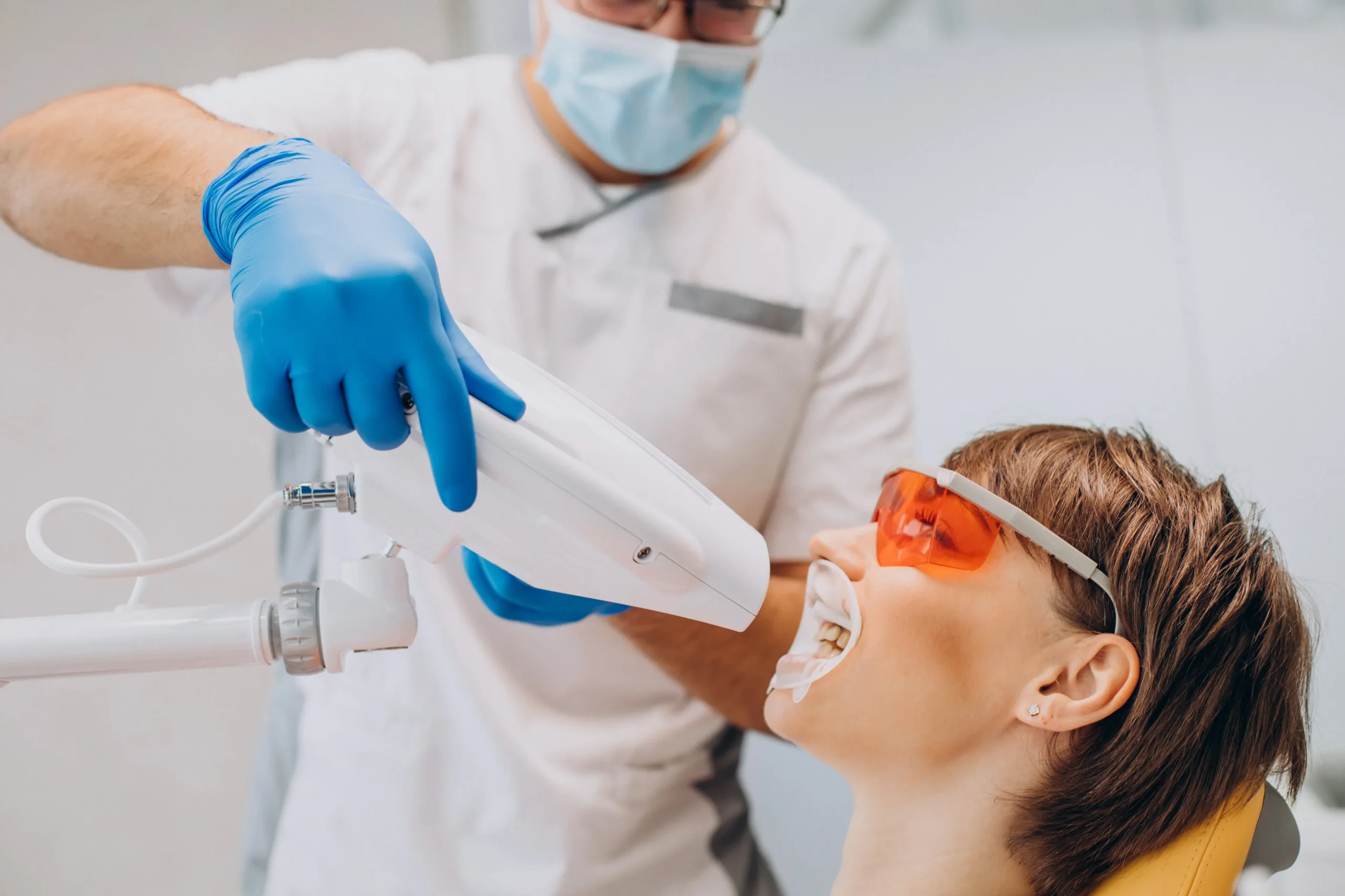
Professional in-clinic teeth whitening results typically last between one and two years for most patients. Some patients maintain their results for up to three years with consistent aftercare. Others notice fading within six to twelve months — particularly those who regularly consume staining foods and drinks or smoke.

Take-home whitening kits prescribed by a dentist use lower-concentration bleaching agents applied over two to four weeks and deliver results that last a comparable duration, though the initial shade improvement is often slightly less dramatic than an in-clinic session.

Over-the-counter whitening strips and kits produce more modest results that tend to fade faster — typically within three to six months — because the peroxide concentration is significantly lower and the trays are not custom-fitted to the teeth.

The key point is that no whitening treatment is permanent. Teeth are naturally porous and will absorb pigments from food, drink, and lifestyle habits over time regardless of the treatment used. What professional whitening gives you is a significant, reliable starting point — and the longevity of that starting point is largely in your hands from that point forward.

Factors That Affect How Long Your Whitening Results Last

Diet and Food Choices

What you eat and drink is the single biggest determinant of how quickly whitening results fade. Dark-pigmented foods and drinks — coffee, tea, red wine, cola, soy sauce, berries, and curries — contain chromogens that bind to tooth enamel and cause progressive restaining. Acidic foods and drinks compound this by temporarily softening enamel and making it more receptive to staining immediately after consumption.

This does not mean avoiding these foods permanently. It means being mindful, particularly in the weeks immediately after whitening when the enamel pores are more open. Rinsing with water after consuming staining foods or drinks significantly reduces the uptake of pigment into the enamel surface.

Smoking and Tobacco Use

Tobacco — whether smoked or chewed — is one of the most aggressive causes of tooth discolouration. Nicotine and tar penetrate the enamel rapidly and produce deep yellow and brown staining that is difficult to reverse and will return quickly after whitening if the habit continues. Patients who smoke can expect their whitening results to fade considerably faster than non-smokers, often within three to six months. Stopping or significantly reducing tobacco use is the single most effective lifestyle change for preserving whitening results.

Oral Hygiene Routine

Consistent brushing twice daily, flossing once daily, and using a fluoride toothpaste removes surface plaque and early staining before it has the chance to set into the enamel. Patients who maintain a thorough oral hygiene routine consistently see longer-lasting whitening results than those who do not. Using a whitening toothpaste two to three times per week after professional treatment can help manage surface staining between professional sessions, though it cannot replicate or replace the depth of result from a professional treatment.

Natural Tooth Colour and Enamel Thickness

Not all teeth whiten equally. Teeth with a naturally yellow base tone respond very well to professional whitening — yellow pigments are broken down effectively by peroxide-based bleaching agents. Teeth with a naturally grey or bluish-grey tone — often associated with tetracycline antibiotic use during tooth development — are more resistant to bleaching and may not achieve the same level of improvement. Enamel thickness also plays a role: thinner enamel allows more of the underlying dentine colour to show through, which can make results appear less bright even after successful whitening.

Your dentist will assess your natural tooth shade and enamel condition at consultation and give you a realistic expectation of outcome before treatment begins. If bleaching alone is unlikely to deliver the result you want, alternatives such as dental veneers or smile designing in Kasarvadavali may be more appropriate for your case.

Age

Teeth naturally darken with age as the outer enamel layer thins and the inner dentine — which is more yellow — becomes more visible. This means that older patients may notice results that appear less dramatically white than younger patients, and that the baseline shade returns more quickly over time because the ageing process continues. This does not make whitening ineffective for older patients — the improvement is still visible and meaningful — but it is a factor in realistic expectation-setting.

Existing Dental Restorations

Dental crowns, veneers, composite fillings, and bonding do not respond to whitening agents. If you have visible restorations on the front teeth, whitening your natural teeth may create a noticeable shade mismatch as the natural teeth lighten and the restorations stay the same colour. This is why your dentist should review all existing dental work before proceeding with any whitening treatment. If new restorations are being planned — such as veneers as part of a smile makeover in Kasarvadavali — whitening is ideally completed first, and the restorations are colour-matched to the post-whitening shade.

How Often You Top Up

Whitening results are maintainable — they do not have to be a one-time investment. A dentist-prescribed take-home maintenance kit used for one to two days every three to four months, combined with a routine dental checkup and cleaning in Kasarvadavali, is sufficient for most patients to maintain their results at a consistently bright level between full in-clinic sessions. Patients who never top up and make no dietary adjustments are comparing a very different outcome to those who manage aftercare actively — the difference in longevity can be significant.

Professional vs At-Home vs Over-the-Counter: Longevity Compared

Treatment Type

Typical Longevity Shade Improvement Key Limitation
Professional in-clinic whitening 1–3 years 6–10 shades

Higher cost; requires clinic visit

Dentist-prescribed take-home kit

1–2 years 4–8 shades Slower result; requires patient compliance
Over-the-counter strips or kits 3–6 months 2–4 shades

Low concentration; non-custom trays

Whitening toothpaste (maintenance)

Not a standalone treatment Surface stains only

Cannot replace professional treatment

The table above reflects averages. Individual results within each category vary based on all the factors discussed above. What it illustrates clearly is that professional treatment delivers the most durable result — and that OTC products, while accessible, are not a substitute for clinical whitening when meaningful, lasting improvement is the goal.

How to Make Your Teeth Whitening Results Last Longer

The following habits, applied consistently, will extend the life of your whitening results significantly:

Avoid staining beverages for at least 48 hours after professional whitening — this is the window when the enamel pores are most open and most susceptible to restaining. After that window, drinking through a straw reduces direct contact between staining liquids and the front tooth surfaces. Rinse with water after consuming dark-pigmented foods or drinks. Brush twice daily with a fluoride toothpaste and floss daily. Use a dentist-prescribed maintenance whitening kit every three to four months. Attend a professional cleaning every six months — the mechanical removal of surface stain and tartar during a professional clean is something no at-home routine can replicate. Avoid or significantly reduce tobacco use.

When Should You Consider Re-Whitening?

Most patients benefit from a full in-clinic re-whitening session every twelve to eighteen months. If you have been maintaining results well with a take-home kit and routine cleans, this interval may be extended further. The right timing is guided by how your teeth look relative to the shade you want to maintain — there is no fixed schedule that applies universally. Your dentist at our teeth whitening clinic in Kasarvadavali will assess your current shade at each visit and advise when a top-up session would be appropriate based on your actual results rather than a blanket schedule.

Why Choose Us?

Choose Hermes Dental Care for expert, patient-focused dental care in Thane West, tailored to your needs at every stage — from preventive check-ups to advanced treatments. Our team prioritises personalised care in a clean, comfortable environment, ensuring a stress-free experience every time you visit. With a focus on modern technology, transparent guidance, and gentle treatment approaches, we help you achieve a healthy, confident smile. Whether it is routine dental care, cosmetic dentistry, or specialised procedures, we are here to support you — call 8766906524 or visit https://hermesdentalcare.in/ to book your appointment.

Frequently Asked Questions

Q1. How long does professional teeth whitening last?

Professional in-clinic teeth whitening typically lasts one to two years in India, with results extending up to three years for patients who follow aftercare guidelines and attend regular dental cleanings.

Q2. Does teeth whitening fade quickly?

Results fade gradually rather than suddenly; the speed of fading depends primarily on diet, tobacco use, and oral hygiene — patients who consume staining foods and drinks regularly or smoke will notice faster fading than those who manage these factors.

Q3. How often should I redo teeth whitening?

Most patients benefit from a full in-clinic re-whitening session every twelve to eighteen months, with a dentist-prescribed take-home maintenance kit used every three to four months in between to preserve the result.

Q4. Does teeth whitening last longer with professional treatment than at-home kits?

Yes — professional in-clinic whitening delivers results that last one to three years compared to three to six months for most over-the-counter products, primarily because of the higher peroxide concentration and custom-fitted trays used in professional treatment.

Q5. What foods should I avoid after teeth whitening?

Coffee, tea, red wine, cola, dark berries, soy sauce, and any strongly pigmented food or drink should be avoided for at least 48 hours after whitening and moderated thereafter to preserve results.

Q6. Can I whiten my teeth if I have crowns or veneers?

Whitening agents do not affect crowns, veneers, or composite restorations; your dentist will assess any existing dental work before treatment and advise whether whitening is appropriate and how to manage any potential shade differences.

Citations

  1. American Dental Association — Tooth Whitening: https://www.ada.org/resources/research/science-and-research-institute/oral-health-topics/tooth-whitening
  2. National Library of Medicine — Efficacy and Longevity of Tooth Whitening Treatments (2024): https://pmc.ncbi.nlm.nih.gov/articles/PMC11426652/
  3. Colgate India — How Long Does Teeth Whitening Last: https://www.colgate.com/en-in/oral-health/teeth-whitening/how-long-does-teeth-whitening-last
  4. WebMD — Teeth Whitening: What You Should Know: https://www.webmd.com/oral-health/teeth-whitening
  5. Mayo Clinic — Tooth Whitening: What Dental Research Shows: https://www.mayoclinic.org/healthy-lifestyle/adult-health/expert-answers/whitening-toothpaste/faq-20058411

What Happens If You Delay Treating a Tooth Cavity? Stages, Risks and Treatment Options

A tooth cavity might seem like a minor inconvenience — a small problem you can deal with later. But delaying cavity treatment is one of the most common reasons patients end up needing far more extensive and expensive dental work than they would have if they had acted earlier. Cavities do not stay small. They progress through predictable stages, each one more damaging than the last, and the treatment required at each stage becomes more complex and costly. If you have been putting off a dental visit in Kasarvadavali or across Thane West because your cavity does not hurt yet, this guide explains exactly what is happening inside that tooth and what it will cost you to wait.

What Is a Tooth Cavity?

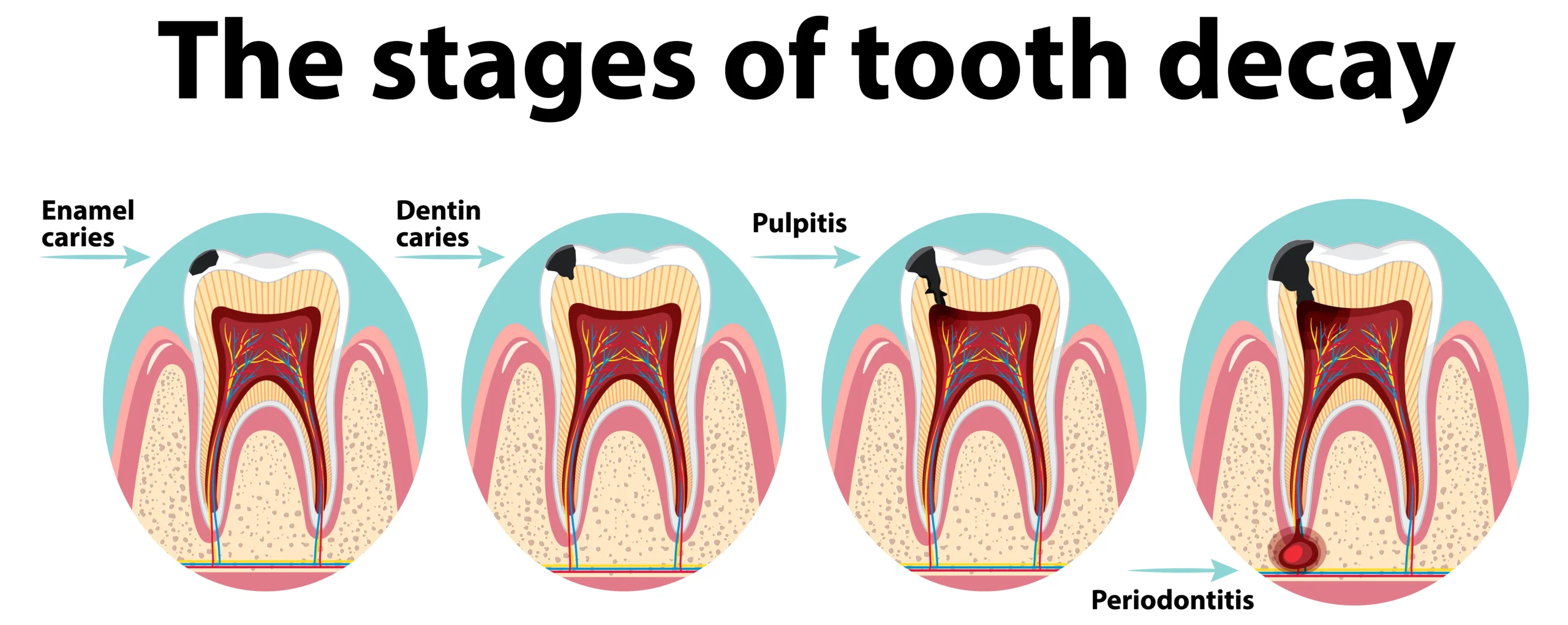
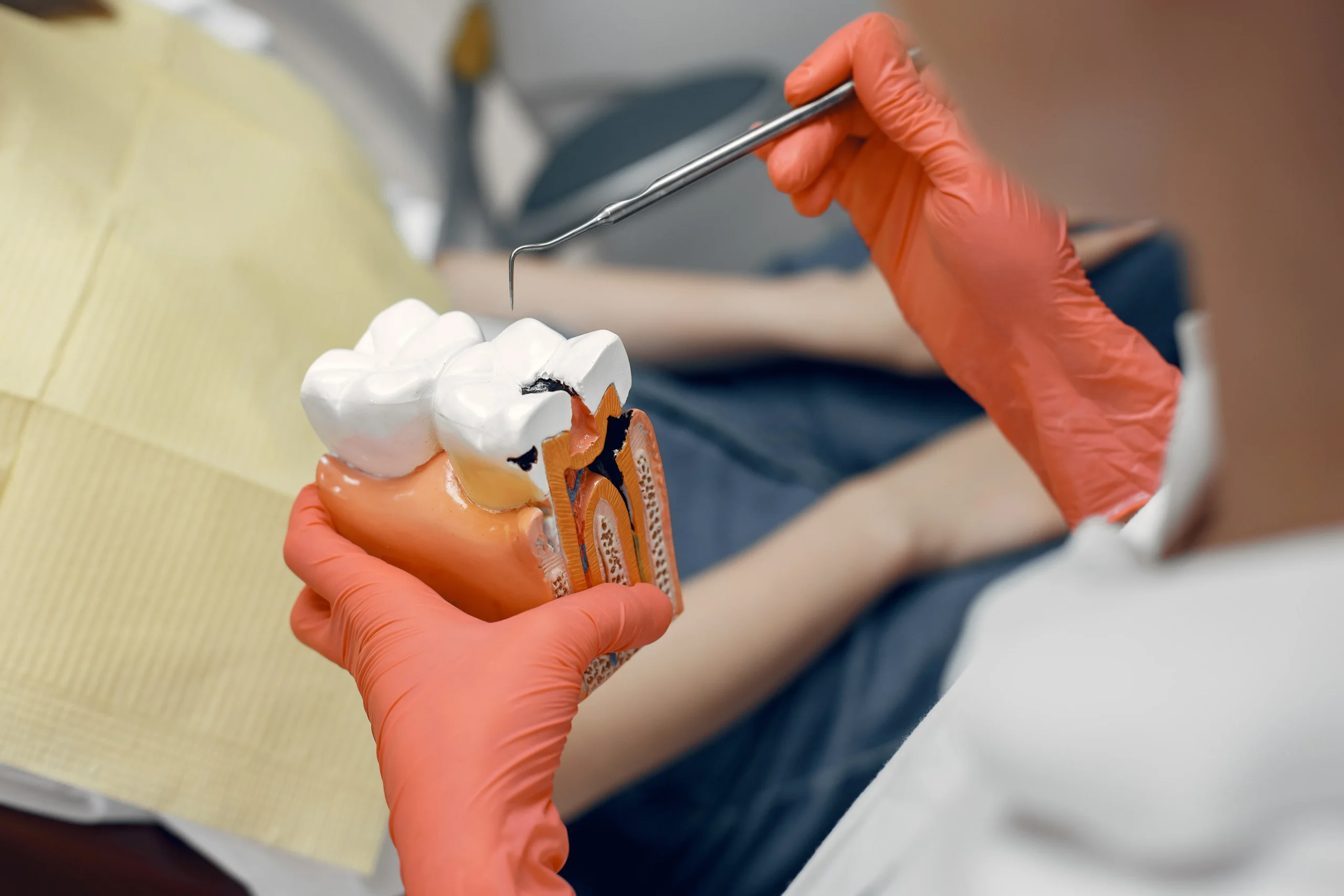
A tooth cavity — also called dental caries or tooth decay — is the destruction of tooth structure caused by acids produced when bacteria in the mouth break down sugars from food and drink. The acid attacks the outer enamel layer first, then progressively works inward through the dentine, and eventually reaches the pulp — the living tissue at the centre of the tooth containing nerves and blood vessels. This progression does not happen overnight, but it does happen continuously, and it does not reverse on its own once decay has moved past the earliest stage.

The 5 Stages of Tooth Decay — and What Delaying Costs You at Each One

Stage 1: Enamel Demineralisation

This is the earliest detectable stage, often visible as a white spot or chalky patch on the tooth surface. The enamel is losing minerals but has not yet broken down into a cavity. At this stage, the process is technically reversible — fluoride treatments, remineralising toothpastes, and improved oral hygiene can halt and even reverse the early damage.

Treatment at this stage: No drilling. Fluoride application and dietary advice. Minimal cost, one visit.

What happens if you delay: The softened enamel continues to break down under ongoing acid attack and progresses to a full enamel cavity.

Stage 2: Enamel Decay

The enamel has broken down and a cavity has formed on the outer surface of the tooth. There is usually no pain at this stage because enamel contains no nerves. This is the stage at which most patients would have no idea anything is wrong without an X-ray or clinical examination — which is precisely why routine dental checkups and cleanings in Kasarvadavali at six-monthly intervals catch cavities before patients do.

Treatment at this stage: A simple composite or tooth-coloured filling. Fast, comfortable, and cost-effective.

What happens if you delay: Decay breaks through the enamel and reaches the dentine layer beneath.

Stage 3: Dentine Decay

Dentine is softer and more porous than enamel, so decay spreads faster at this stage. The dentine contains microscopic tubules that connect to the nerve, which is why patients typically start experiencing sensitivity to hot, cold, and sweet at this point. Pain may come and go. This stage still does not require root canal treatment in most cases, but the filling required is larger and more involved than it would have been at Stage 2.

Treatment at this stage: A larger composite filling or an inlay/onlay depending on how much tooth structure is affected. Still manageable.

What happens if you delay: Decay continues inward toward the pulp chamber.

Stage 4: Pulp Involvement

When decay reaches the pulp, infection begins. Bacteria enter the living tissue of the tooth, causing inflammation and eventually pulp death. This is when the pain becomes unmistakable — spontaneous, throbbing toothache, pain that lingers long after the stimulus is removed, pain that wakes you at night. At this stage, a simple filling is no longer sufficient. Root canal treatment is now the only way to save the tooth. The infected pulp is removed, the canal is cleaned and sealed, and a dental crown is placed to restore the tooth’s strength.

Treatment at this stage: Root canal treatment followed by a crown — typically two to three appointments. Significantly more expensive than a filling.

What happens if you delay: Infection spreads beyond the tooth to the surrounding bone.

Stage 5: Abscess and Bone Involvement

If pulp infection is left untreated, bacteria spread through the tip of the root into the surrounding bone and gum tissue, forming a dental abscess. This is a serious condition. Severe, constant pain, visible swelling of the face or jaw, fever, and a bad taste in the mouth are classic signs. An abscess requires immediate intervention — antibiotics, drainage of the abscess, and either root canal treatment or extraction. In advanced cases, the bone loss around the tooth is irreversible, and extraction becomes unavoidable. Spread of infection beyond the jaw, though rare, is a genuine medical emergency.

Treatment at this stage: Emergency intervention, likely extraction, and if the tooth is lost, replacement with a dental implant or bridge — the most expensive outcome of what began as a small cavity.

The Real Cost of Waiting

Across the five stages above, the trajectory is straightforward: a Rs. 1,500 to Rs. 3,000 filling at Stage 2 becomes a Rs. 8,000 to Rs. 20,000 root canal and crown procedure at Stage 4, and potentially a Rs. 40,000 to Rs. 1,20,000 dental implant at Stage 5 if the tooth is lost. The financial cost of delay is significant. The clinical cost — permanent loss of a natural tooth — is greater.

Pain is not a reliable guide to when to act. Stage 2 and early Stage 3 cavities are typically completely painless. By the time a cavity hurts consistently, you are already at a stage that requires substantially more treatment than early intervention would have. Waiting for pain is not caution — it is a decision to let the problem escalate.

Treatment Options at Each Stage — Summary

Stage 1 — Demineralisation: Fluoride treatment, remineralising agents, dietary modifications. Reversible. No drilling required.

Stage 2 — Enamel Cavity: Composite tooth-coloured filling. Single appointment. Fully preserves the remaining tooth structure.

Stage 3 — Dentine Decay: Composite filling or inlay/onlay. More material removed but tooth remains intact and vital.

Stage 4 — Pulp Infection: Root canal treatment followed by a dental crown. Multiple appointments. Tooth is saved but no longer vital.

Stage 5 — Abscess: Emergency treatment, antibiotics, drainage, and in most cases extraction. Replacement with an implant, bridge, or denture required to prevent bone loss and shifting of adjacent teeth. Our general dentistry in Kasarvadavali team handles everything from early cavity detection and fillings through to coordinating with specialist care for complex cases.

How to Prevent Cavities From Progressing

Brushing twice daily with a fluoride toothpaste, flossing once daily, limiting sugary and acidic food and drinks, and attending a professional checkup every six months are the four pillars of cavity prevention that apply universally. For patients at higher cavity risk — those with dry mouth, a high-sugar diet, a history of frequent decay, or wearing orthodontic appliances — more frequent professional review may be recommended.

Our family dentistry in Kasarvadavali service covers cavity prevention and early detection for every member of the household, from children through to adults, within a single practice. For children specifically, fissure sealants applied to the back teeth during the cavity-prone years offer meaningful additional protection — speak to our paediatric dentist in Kasarvadavali for advice tailored to your child’s age and risk profile.

Why Choose Us?

Choose Hermes Dental Care for expert, patient-focused dental care in Thane West, tailored to your needs at every stage — from preventive check-ups to advanced treatments. Our team prioritises personalised care in a clean, comfortable environment, ensuring a stress-free experience every time you visit. With a focus on modern technology, transparent guidance, and gentle treatment approaches, we help you achieve a healthy, confident smile. Whether it is routine dental care, cosmetic dentistry, or specialised procedures, we are here to support you — call 8766906524 or visit https://hermesdentalcare.in/ to book your appointment.

Frequently Asked Questions

Q1. Can a tooth cavity heal on its own without treatment?

Early-stage enamel demineralisation can be reversed with fluoride and improved hygiene, but once a cavity has formed through the enamel, it cannot heal itself and requires professional treatment to stop further progression.

Q2. How do I know if I have a tooth cavity?

Early cavities are often symptom-free; sensitivity to sweet, hot, or cold and visible dark spots or holes are signs of more progressed decay — a dental X-ray during a routine checkup is the most reliable way to detect cavities at any stage.

Q3. What happens if a tooth cavity is left untreated for years?

Untreated decay progresses through the enamel and dentine into the pulp, leading to infection, abscess formation, bone loss, and ultimately tooth loss — along with escalating treatment complexity and cost at every stage.

Q4. Is root canal treatment always needed for a cavity?

Root canal treatment is only required when decay has reached the pulp of the tooth; cavities detected at Stages 1, 2, or 3 can be treated with fluoride application or fillings without affecting the nerve.

Q5. How often should I get checked for cavities?

A professional dental examination every six months is the standard recommendation; patients with a history of frequent decay or other risk factors may benefit from more frequent visits as advised by their dentist.

Q6. Are children more prone to cavities than adults?

Children are at higher risk due to developing enamel, dietary habits, and brushing technique; professional cleanings, fluoride treatments, and fissure sealants during childhood significantly reduce the long-term cavity burden.

Citations

  1. World Health Organization — Global Oral Health Status Report 2022: https://www.who.int/publications/i/item/9789240061484
  2. National Library of Medicine — Progression of Dental Caries: A Review: https://pmc.ncbi.nlm.nih.gov/articles/PMC5885814/
  3. Mayo Clinic — Cavities and Tooth Decay: https://www.mayoclinic.org/diseases-conditions/cavities/symptoms-causes/syc-20352892
  4. American Dental Association — Tooth Decay: https://www.ada.org/resources/research/science-and-research-institute/oral-health-topics/caries-risk-assessment-and-management
  5. Indian Dental Association — Preventive Dentistry Guidelines: https://publication.ida.org.in/

Smile Makeover: Which Treatments Are Included?

A smile makeover is not a single procedure — it is a personalised combination of cosmetic and restorative dental treatments planned together to transform how your smile looks and functions. Patients across Kasarvadavali and Thane West often come in wanting a better smile but unsure of what that actually involves clinically. This guide breaks down exactly which treatments can be part of a smile makeover, how they work together, who is a suitable candidate, and what the process looks like from consultation to final result.

What Is a Smile Makeover?

A smile makeover  also referred to as smile designing  is a comprehensive, custom-planned treatment programme that addresses multiple aesthetic concerns at once. Unlike a single cosmetic procedure such as whitening, a smile makeover looks at the complete picture: the colour, shape, size, alignment, and proportion of your teeth relative to your gums, lips, and facial features.

The treating dentist evaluates all of these elements together and designs a treatment sequence that delivers a cohesive result. No two smile makeovers are identical  a plan for one patient may involve two procedures while another may involve five, depending on the presenting concerns and aesthetic goals.

Treatments Commonly Included in a Smile Makeover

Teeth Whitening

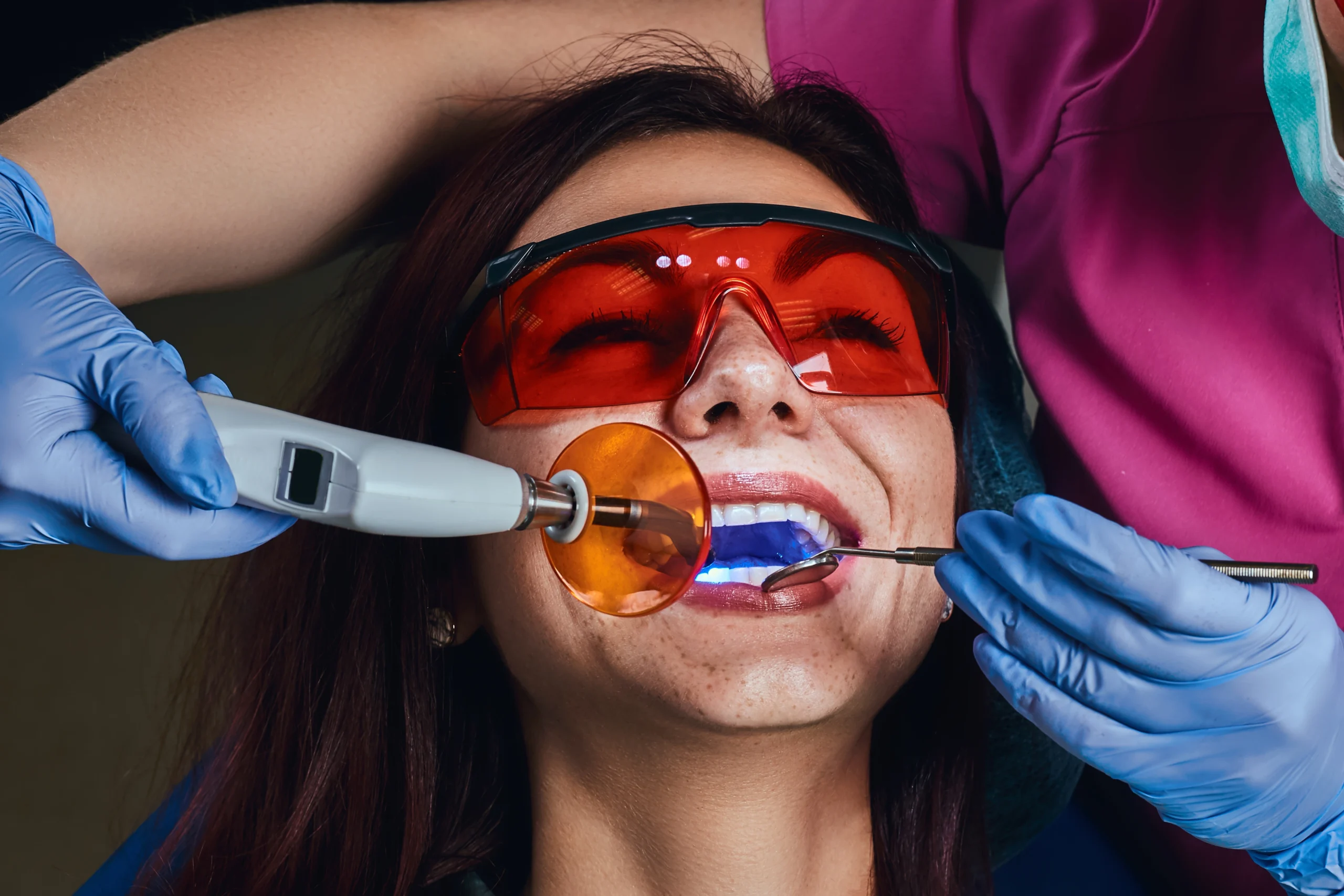
Whitening is one of the most frequently included starting points in any smile makeover. Professional-grade bleaching removes deep and surface stains, establishing a baseline tooth shade that all other restorations — veneers, crowns, or composite work — are colour-matched to. This is why whitening is typically performed before placing any new dental restorations rather than after. Our teeth whitening in Kasarvadavali service uses prescription-strength agents with results that are noticeably stronger than anything available over the counter.

Dental Veneers and Laminates

Porcelain veneers and dental laminates are ultra-thin shells bonded to the front surface of the teeth to correct shape, size, colour, and minor misalignment in one step. They are one of the most powerful tools in smile designing because a single set of veneers can simultaneously address multiple concerns — chipped edges, uneven lengths, spacing, and discolouration that does not respond to whitening — producing a uniform, natural-looking result. Porcelain veneers typically last 10 to 15 years; composite laminates offer a more affordable, reversible alternative completed in fewer visits.

Dental Bonding

Composite bonding uses tooth-coloured resin applied directly to the tooth to repair chips, close small gaps, rebuild worn edges, or reshape uneven teeth. It is one of the most cost-effective components of a smile makeover and can often be completed in a single appointment without removing any natural tooth structure. Bonding works well for minor corrections and is frequently combined with whitening for a complete aesthetic improvement at a manageable cost.

Dental Implants

Where missing teeth are part of the picture, a smile makeover cannot be complete without addressing the gaps. Dental implants replace missing teeth with titanium-rooted, crown-topped restorations that look, feel, and function like natural teeth. They also prevent the bone loss and facial changes that develop over time when a tooth is missing. In a smile makeover context, implants are placed and integrated before surface aesthetic work such as veneers or whitening is finalised, so the full smile is designed as one cohesive unit.

Gum Contouring and Gum Treatments

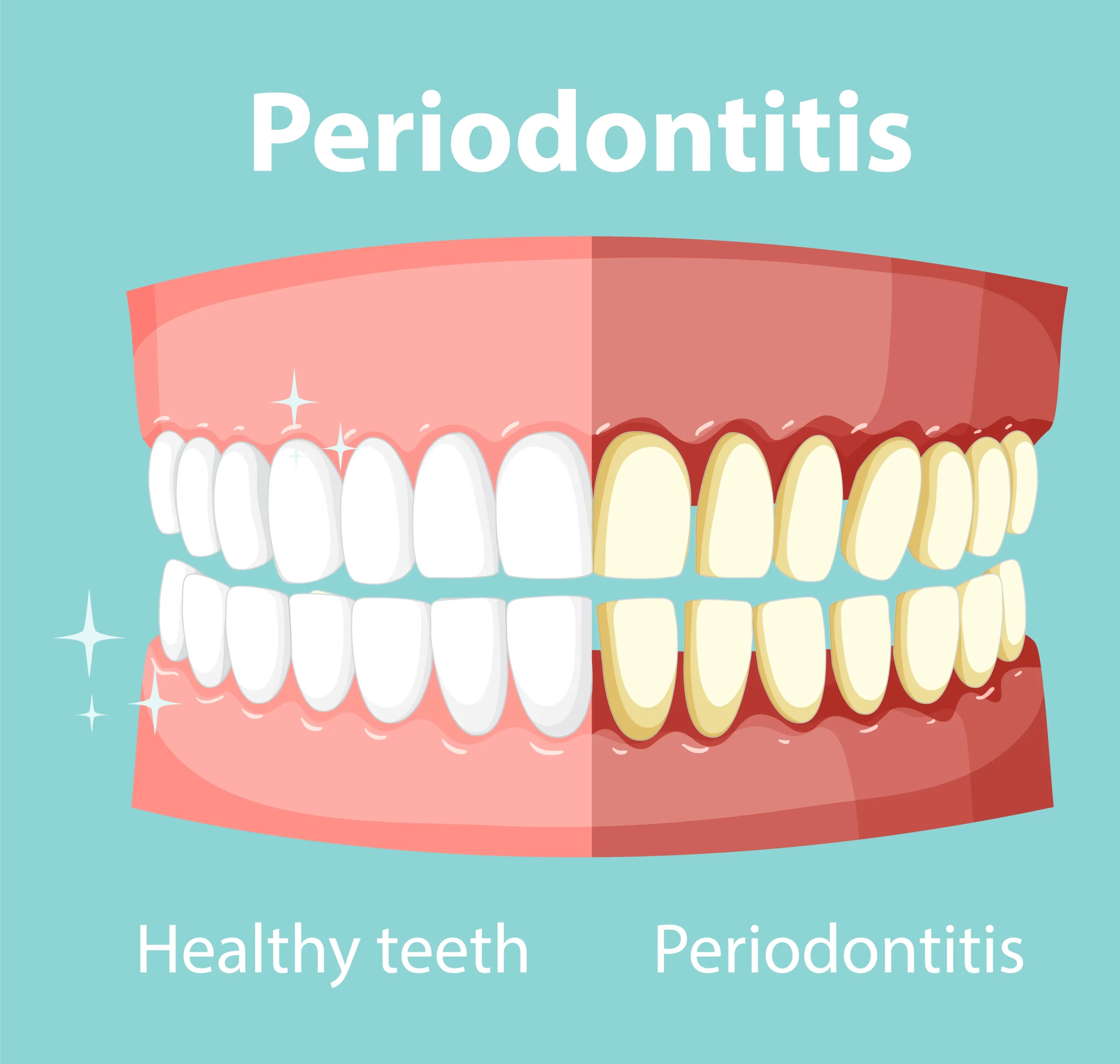
An uneven or excessive gum line — often called a gummy smile — significantly affects the visual balance of a smile even when the teeth themselves are in good condition. Gum contouring reshapes and removes excess gum tissue to reveal more of the tooth surface and create a more proportionate smile line. Where gum disease is present, it must be treated before any cosmetic work begins. Our gum treatments in Kasarvadavali cover both therapeutic gum care and aesthetic contouring as part of a comprehensive treatment plan.

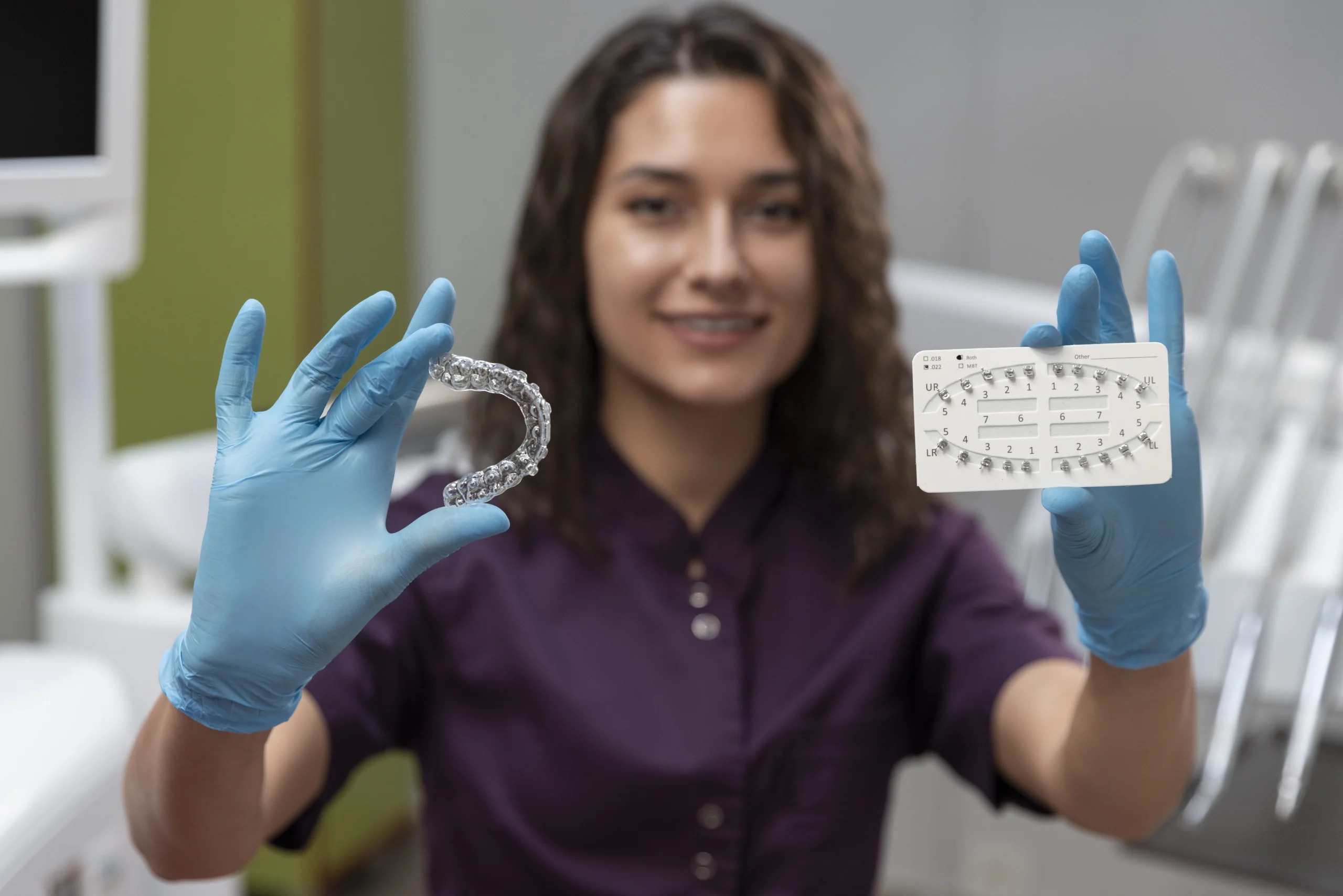
Orthodontic Treatment and Clear Aligners

Straightening misaligned or crowded teeth is a foundational step in many smile makeovers — particularly for patients where the underlying tooth position needs correction before cosmetic veneers or bonding can deliver the right result. Traditional braces and Invisalign clear aligners are both options, depending on the complexity of the case. Read our full breakdown of Invisalign vs braces to understand which option suits your case.

Dental Crowns

Where teeth are severely worn, cracked, weakened, or have undergone root canal treatment, dental crowns are used to restore the full structure and appearance of the tooth. In a smile makeover, crowns may be required for one or two anchor teeth while veneers handle the remaining visible teeth — the result is a uniform appearance across the full smile with each tooth restored appropriately for its condition.

Root Canal Treatment

While not a cosmetic procedure in itself, root canal treatment is sometimes a necessary precursor to smile makeover work when a tooth is infected or severely compromised but needs to be preserved as part of the final smile design. Extracting and implanting would be one option; saving the tooth through root canal treatment and restoring it with a crown is often the better choice where the tooth structure allows. The clinical and cosmetic outcomes are planned together so the treated tooth fits seamlessly into the wider smile design.

How Is a Smile Makeover Planned?

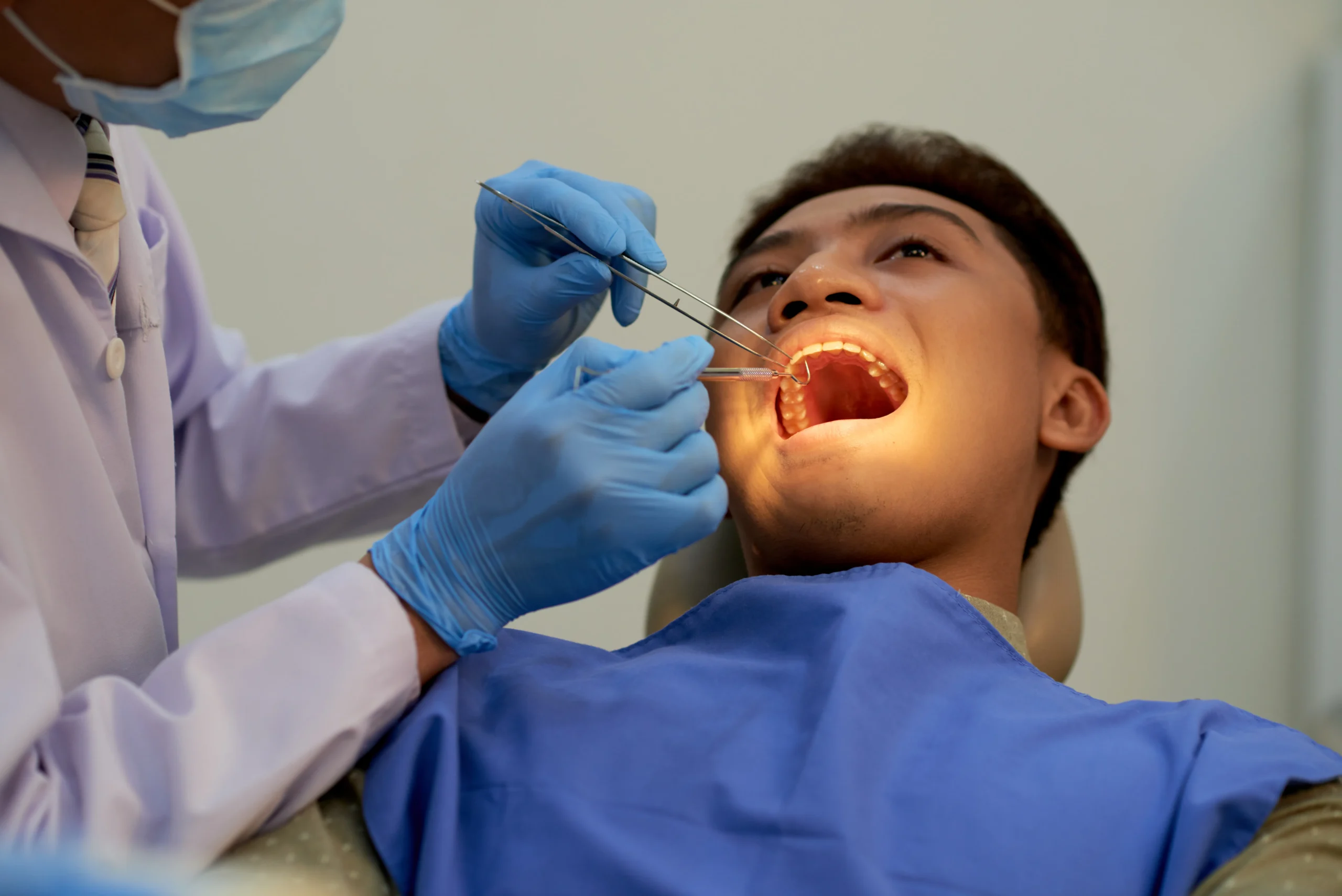
The process at our smile designing clinic in Kasarvadavali begins with a comprehensive consultation that includes clinical examination, digital X-rays, photographs, and — where indicated — intraoral scans. These records allow the dentist to assess the condition of your teeth, gums, and bite and map out a treatment sequence.

Digital smile design tools allow patients to preview an approximation of the expected outcome before any procedure begins, so you are not committing to treatment blind. Once the plan is agreed upon, procedures are sequenced logically — foundational work such as gum treatment, implants, or orthodontics comes first; surface aesthetic treatments such as whitening, veneers, and bonding come last.

The total duration of a smile makeover depends entirely on which treatments are involved. A makeover combining whitening and veneers can be completed in two to three weeks. One that includes orthodontic treatment or implants may span six to eighteen months. Your dentist will give you a realistic timeline during the planning consultation.

Who Is a Good Candidate for a Smile Makeover?

A smile makeover is suitable for any adult with good general health who has one or more aesthetic concerns about their smile that they have wanted to address. Common presentations include teeth that are stained or discoloured, chipped, worn, or uneven teeth, visible gaps or spacing, a gummy smile, missing teeth, or a combination of several of the above.

The one prerequisite is that active oral health issues — gum disease, untreated decay, infections — must be resolved before cosmetic work begins. A routine dental checkup and cleaning in Kasarvadavali is always the right starting point if you are not currently up to date with your dental health. Cosmetic work on an unstable foundation will not last, regardless of the quality of treatment.

Why Choose Us?

Choose Hermes Dental Care for expert, patient-focused dental care in Thane West, tailored to your needs at every stage — from preventive check-ups to advanced treatments. Our team prioritises personalised care in a clean, comfortable environment, ensuring a stress-free experience every time you visit. With a focus on modern technology, transparent guidance, and gentle treatment approaches, we help you achieve a healthy, confident smile. Whether it is routine dental care, cosmetic dentistry, or specialised procedures, we are here to support you — call 8766906524 or visit https://hermesdentalcare.in/ to book your appointment.

Frequently Asked Questions

Q1. How much does a smile makeover cost in Thane?

The cost varies based on which treatments are included — a basic smile makeover combining whitening and bonding may start from Rs. 15,000 to Rs. 30,000, while comprehensive plans involving veneers, implants, or orthodontics can range significantly higher; a consultation provides a precise estimate.

Q2. How long does a smile makeover take?

Timeline depends on the procedures involved — whitening and veneers can be completed in two to three weeks, while makeovers that include clear aligners or implants may take six to eighteen months in total.

Q3. Is a smile makeover painful?

Most procedures within a smile makeover are performed under local anaesthesia; any post-treatment discomfort is typically mild and short-lived, and your dentist will guide you on appropriate pain management for each stage.

Q4. How long do smile makeover results last?

Porcelain veneers last 10 to 15 years, dental implants are considered a lifetime solution with proper care, and whitening requires periodic maintenance; the overall longevity of the makeover depends on daily oral hygiene and regular dental visits.

Q5. Can I get a smile makeover if I have missing teeth?

Yes — addressing missing teeth through dental implants or bridges is often a core component of the smile makeover plan, ensuring a complete and balanced result.

Q6. Do I need to complete all procedures at once?

No — smile makeover treatments are sequenced in stages; your dentist will plan the order based on clinical priority, and the schedule can be spread out based on your availability and budget.

Citations

  1. American Academy of Cosmetic Dentistry — Smile Makeovers: https://www.aacd.com/learn/cosmetic-dentistry-procedures/smile-makeovers/
  2. National Library of Medicine — Digital Smile Design: A Review of Evidence (2024): https://pmc.ncbi.nlm.nih.gov/
  3. WebMD — Cosmetic Dentistry Smile Makeover: https://www.webmd.com/oral-health/cosmetic-dentistry-smile-makeover
  4. Colgate India — What Is a Smile Makeover: https://www.colgate.com/en-in/oral-health/cosmetic-dentistry/smile-makeover
  5. Indian Dental Association — Cosmetic and Restorative Dentistry Guidelines: https://publication.ida.org.in/

Everything You Need to Know About Wisdom Teeth Removal

Wisdom teeth are the last set of molars to emerge, typically appearing between the ages of 17 and 25. For many patients in Kasarvadavali and across Thane West, they arrive without any problems. For a significant number of others, they cause pain, infection, crowding, or damage to neighbouring teeth — and removal becomes the most sensible clinical course of action. If you have been told you need your wisdom teeth out, or are experiencing discomfort at the back of your jaw and wondering whether removal is necessary, this guide covers everything you need to know.

What Are Wisdom Teeth and Why Do They Cause Problems?

Wisdom teeth  also called third molars  are the four permanent molars located at the very back of the mouth, one in each corner of the jaw. Most adults have all four, though some people have fewer or none at all.

The human jaw has evolved to be smaller over thousands of years, and in most modern adults there simply is not enough space at the back of the mouth to accommodate these additional molars properly. When the jaw lacks adequate space, wisdom teeth can become impacted — meaning they are unable to erupt fully through the gum and grow at an angle, partially through the gum, or remain completely trapped within the bone. Impacted wisdom teeth are one of the most common sources of dental pain and infection seen at our oral surgery clinic in Kasarvadavali.

Signs That Your Wisdom Teeth May Need to Be Removed

Not every wisdom tooth requires extraction. Some erupt cleanly and cause no problems at all. The following signs typically indicate that an assessment and likely removal is needed:

Persistent pain or pressure at the back of the jaw, swelling or tenderness around the gum at the rear of the mouth, difficulty opening the mouth fully, recurrent infection or bad taste in the area, visible partial eruption through the gum with inflamed tissue around it, and crowding or shifting of adjacent teeth are all clinical indicators that warrant attention. Some impacted wisdom teeth cause no symptoms but are identified on routine X-rays as a risk to neighbouring molars — in these cases, early removal is often recommended before complications develop.

If you are experiencing any of these symptoms, a routine dental checkup and cleaning in Kasarvadavali that includes a panoramic X-ray will give your dentist a clear picture of where your wisdom teeth are positioned and whether removal is the right course.

What Is Surgical Wisdom Tooth Removal?

When a wisdom tooth is fully erupted and has a clear path out, a straightforward extraction — similar to removing any other tooth — is all that is needed. When the tooth is impacted, partially erupted, or growing at an angle, surgical removal is required.

Surgical third molar removal, the clinical term for wisdom tooth surgery, involves making a small incision in the gum tissue to access the tooth, sometimes removing a small amount of bone surrounding the tooth, dividing the tooth into sections if necessary to minimise bone removal, extracting each section, and then closing the site with dissolvable sutures. The procedure sounds more involved than it feels — it is performed entirely under local anaesthesia, and most patients are surprised by how comfortable the experience is in practice.

At Hermes Dental Care, our surgical third molar removal in Kasarvadavali is performed by a specialist oral and maxillofacial surgeon ensuring clinical precision and proper post-operative care at every stage.

What to Expect on the Day of the Procedure

Wisdom tooth removal at a dental clinic is a day procedure. You will not need to be admitted to a hospital. On arrival, local anaesthesia is administered to fully numb the area. Once the area is confirmed numb, the procedure begins. Most surgical extractions are completed within 30 to 60 minutes depending on the complexity and number of teeth being removed.

You will not feel pain during the procedure — you may feel pressure and movement, but not sharp discomfort. If you experience any sensation beyond pressure at any point, inform your dentist immediately and additional anaesthetic will be administered.

After the extraction, gauze is placed over the site and you will be asked to bite down firmly for 30 to 45 minutes to control initial bleeding. A post-operative care sheet will be given to you covering diet, activity, and hygiene instructions for the days that follow.

Recovery: What Is Normal and What Is Not

The first 48 to 72 hours after wisdom tooth removal are when the most noticeable effects occur. Swelling, mild to moderate pain, and some bleeding are all entirely normal during this period. Swelling typically peaks at around 48 hours and then gradually subsides over the following three to four days. Pain is managed with prescribed or over-the-counter analgesics as recommended by your dentist.

What helps recovery: Keeping the head elevated for the first 24 hours, applying an ice pack to the outside of the cheek in the first 24 hours, eating soft foods — yoghurt, dal, khichdi, mashed vegetables, smoothies — and avoiding hot, hard, or spicy food, rinsing gently with warm salt water from 24 hours after surgery onwards, and taking all prescribed antibiotics for the full course.

What to avoid: Vigorous rinsing or spitting in the first 24 hours (it can dislodge the clot), using a straw, smoking, and strenuous physical activity in the first 48 to 72 hours.

Most patients return to normal work and daily activities within two to four days. Full tissue healing takes two to four weeks, though discomfort resolves well before that for most people.

When to contact your dentist: If you experience severe pain that worsens after three to four days rather than improving — particularly a throbbing, deep pain in the socket — it may indicate dry socket (alveolar osteitis), which occurs when the protective blood clot dislodges before healing is complete. It is entirely treatable but requires prompt attention. Fever, excessive swelling that worsens after 72 hours, or numbness that persists beyond 24 hours are also reasons to contact the clinic promptly.

Does Everyone Need Their Wisdom Teeth Removed?

No — this is an important point. Wisdom teeth that have erupted cleanly, are properly positioned, and can be kept clean through normal brushing and flossing do not require removal simply because they are wisdom teeth. The decision to remove is always based on clinical assessment — the position of the tooth on X-ray, whether it is causing or likely to cause damage to adjacent teeth, the presence of infection or cyst formation, and the patient’s overall oral health status.

Early assessment — ideally in the late teens or early twenties — is advisable because the roots of wisdom teeth are not yet fully formed at that age, making removal technically simpler and recovery faster. Waiting until problems develop increases procedural complexity and recovery time. If you have not had your wisdom teeth assessed and are in this age range, a check-up is the sensible next step. You can also learn more about related surgical procedures through our oral surgery in Kasarvadavali page.

Can Wisdom Tooth Removal Affect Orthodontic Treatment?

Yes — and this is a question that comes up frequently among patients undergoing or considering teeth straightening. Impacted or partially erupted wisdom teeth can exert pressure on adjacent molars and, in some cases, contribute to crowding of the front teeth over time. Whether wisdom tooth removal is recommended before, during, or after orthodontic treatment depends on the individual case and is assessed jointly between the orthodontist and the oral surgeon.

If you are currently considering clear aligners or braces, it is worth discussing wisdom tooth status during your orthodontic consultation. Our team at Hermes Dental Care coordinates between specialties — orthodWisdom Teeth Removalontics, oral surgery, and restorative care — so treatment is planned as a coherent whole rather than in isolation. You can read more about orthodontic options in our Invisalign vs braces guide.

Why Choose Us?

Choose Hermes Dental Care for expert, patient-focused dental care in Thane West, tailored to your needs at every stage — from preventive check-ups to advanced treatments. Our team prioritises personalised care in a clean, comfortable environment, ensuring a stress-free experience every time you visit. With a focus on modern technology, transparent guidance, and gentle treatment approaches, we help you achieve a healthy, confident smile. Whether it is routine dental care, cosmetic dentistry, or specialised procedures, we are here to support you — call 8766906524 or visit https://hermesdentalcare.in/ to book your appointment.

Frequently Asked Questions

Q1. Is wisdom tooth removal painful?

The procedure is performed under local anaesthesia so you will not feel pain during removal; post-operative discomfort is normal for two to four days and is managed with prescribed pain relief.

Q2. How long does wisdom tooth removal take?

A straightforward extraction takes 20 to 30 minutes; a surgical removal of an impacted wisdom tooth typically takes 45 to 60 minutes depending on the position and complexity of the tooth.

Q3. How many days rest do I need after wisdom tooth removal?

Most patients return to desk work and normal daily activities within two to four days; strenuous physical activity should be avoided for at least 72 hours after the procedure.

Q4. Can all four wisdom teeth be removed at once?

Yes — removing all four in a single session is possible and is sometimes recommended to consolidate recovery; your oral surgeon will advise based on your specific case and preference.

Q5. What is dry socket and how is it treated?

Dry socket occurs when the blood clot in the extraction site dislodges before healing is complete, causing intensified pain from day three onward; it is treated at the clinic with a medicated dressing placed in the socket, which provides relief promptly.

Q6. Is wisdom tooth removal covered under dental insurance in India?

Coverage depends on your specific insurance plan; surgical extractions are often included under major dental benefits but the extent of coverage varies — check your policy or speak with your insurer before your appointment.

Citations

  1. American Association of Oral and Maxillofacial Surgeons — Wisdom Teeth: https://www.aaoms.org/patient-care/dentoalveolar-surgery/wisdom-teeth/
  2. National Library of Medicine — Impacted Third Molars: Review of Assessment and Management (2022): https://pmc.ncbi.nlm.nih.gov/articles/PMC9469985/
  3. Mayo Clinic — Wisdom Tooth Extraction: https://www.mayoclinic.org/tests-procedures/wisdom-tooth-extraction/about/pac-20395268
  4. WebMD — Wisdom Teeth Removal: What to Expect: https://www.webmd.com/oral-health/wisdom-teeth
  5. Indian Dental Association — Third Molar Management Guidelines: https://publication.ida.org.in/

Teeth Whitening Myths You Should Stop Believing

Teeth whitening is one of the most searched cosmetic dental treatments in India, and also one of the most misunderstood. Social media home remedies, exaggerated product marketing, and word-of-mouth half-truths have created a long list of misconceptions that stop people from making informed decisions — or worse, push them toward treatments that actually harm their teeth. If you have been holding back on whitening, or trying kitchen remedies in the hope of getting results, this guide is for you. Here are the most common teeth whitening myths, corrected with facts.

Myth 1: Teeth Whitening Damages Your Enamel

This is the most widespread fear surrounding teeth whitening, and it is largely unfounded when treatment is done correctly. Professional whitening uses peroxide-based gels — hydrogen peroxide or carbamide peroxide — that work by oxidising stain molecules within the enamel without removing or eroding the enamel itself. When applied at the right concentration, under professional supervision, these agents are safe and well within the limits recommended by dental associations globally.

The concern about enamel damage typically arises from overuse of over-the-counter products or DIY remedies that are either too abrasive or applied incorrectly. At our teeth whitening in Kasarvadavali clinic, every whitening treatment is preceded by a clinical assessment to ensure your enamel and gum health are suitable before any agent is applied.

Myth 2: Whitening Toothpaste Gives the Same Results as Professional Treatment

Whitening toothpastes are a convenient product but they work very differently from professional whitening. Most whitening toothpastes rely on mild abrasives and a small amount of low-concentration bleaching agent to remove surface stains — the kind caused by tea, coffee, or food that sit on the outermost layer of the tooth. They cannot penetrate deeper to address intrinsic discolouration, which is staining within the tooth structure itself caused by ageing, medication, or fluorosis.

Professional in-clinic whitening, by contrast, uses prescription-strength peroxide gels that reach both the surface and the inner layers of the tooth, delivering a result that is measurably several shades lighter. If your teeth are genuinely yellowed or stained, toothpaste alone will not get you where you want to be. It can, however, help maintain results between professional sessions.

Myth 3: Teeth Whitening Results Are Permanent

No whitening treatment — professional or otherwise — is permanent. The results from a professional whitening session typically last between one and two years, depending on your diet, oral hygiene routine, and lifestyle habits such as smoking or regular consumption of staining beverages like coffee, tea, and red wine.

The good news is that maintaining results is straightforward. A professional take-home whitening kit prescribed by your dentist, combined with a routine checkup and cleaning in Kasarvadavali, is usually enough to keep your smile looking bright between full treatment sessions. Expecting permanence from any whitening product is a set-up for disappointment; expecting excellent, maintainable results is entirely realistic.

Myth 4: Natural Remedies Like Lemon Juice and Baking Soda Are Safe for Whitening

This is one of the more harmful myths circulating on social media. Lemon juice is highly acidic and, when applied repeatedly to teeth, erodes enamel rather than whitening it. Once enamel is lost, it does not grow back — the damage is permanent and leads to increased sensitivity and a higher risk of decay.

Baking soda is mildly abrasive and can remove some surface staining, but regular use wears down the enamel surface over time. Charcoal-based products, another trending remedy, have similarly been found to be abrasive and potentially harmful with repeated use. None of these remedies have been clinically validated for safe, effective teeth whitening, and several dental associations have explicitly cautioned against them. When a shortcut can cause permanent damage, it is not worth the risk.

Myth 5: Teeth Whitening Works on Crowns, Veneers, and Fillings

Whitening agents only work on natural tooth enamel. They have no effect on dental restorations such as crowns, veneers, ceramic fillings, or composite bonding. If you whiten your natural teeth while you have existing restorations, the result can be uneven — your natural teeth lighten while the restorations stay the same shade, creating a visible mismatch.

This is one of the key reasons why professional consultation before whitening is important. At Hermes Dental Care, your dentist will review your existing dental work as part of the pre-treatment assessment and advise you on whether whitening is appropriate and how to manage shade matching. If you are planning to get new restorations such as veneers, whitening is ideally done first — the restoration shade is then matched to your newly lightened teeth. You can read more about how veneers and other procedures fit into a broader treatment plan on our cosmetic dentistry in Kasarvadavali page.

Myth 6: Teeth Whitening Always Causes Sensitivity

Sensitivity after teeth whitening is possible, but it is not inevitable and it is not permanent. A 2024 peer-reviewed study found that clear aligner and whitening patients often experience mild, temporary sensitivity that typically resolves within 24 to 48 hours after treatment. The key factors that influence sensitivity are the concentration of the whitening agent, the duration of application, and whether any underlying sensitivity issues exist before treatment begins.

Professional whitening treatments are designed with this in mind. Dentists can use lower-concentration gels applied over multiple sessions, include desensitising agents in the treatment protocol, or prescribe a potassium nitrate or fluoride gel to use alongside whitening to minimise discomfort. If you have a history of sensitivity, discuss it during your consultation — it is manageable, not a reason to avoid whitening entirely.

Myth 7: Over-the-Counter Whitening Kits Are Just as Good as Clinic Treatment

Over-the-counter whitening strips, gel trays, and LED kits have become widely available in India, and while some do produce modest improvements in surface staining, they are not equivalent to professional treatment. The primary reason is concentration: OTC products are formulated with lower peroxide levels to comply with safety regulations for unsupervised use. A professional in-clinic treatment uses significantly higher concentrations applied under controlled conditions.

There is also the issue of fit. Generic whitening trays are not made for your specific dental anatomy. Gel can leak onto the gums, causing irritation, and coverage is often uneven. Custom-fitted trays made by a dentist ensure the whitening agent reaches every tooth surface evenly and stays off the gum tissue. For anyone with existing dental work, sensitivity, or more than mild surface staining, a professional approach will always deliver a safer and more predictable result than anything available off the shelf.

Myth 8: Teeth Cannot Be Whitened If They Are Too Yellow or Stained

The degree to which teeth can be whitened depends on the type and depth of staining, not just the shade. Extrinsic stains — those on the outer surface caused by food, drink, and smoking — respond very well to professional whitening. Intrinsic stains that originate from within the tooth, such as those caused by tetracycline antibiotic use, certain fluorosis cases, or trauma, are more resistant and may require alternative cosmetic treatments such as smile designing in Kasarvadavali or porcelain veneers to achieve the desired result.

A professional assessment will tell you exactly what is achievable for your specific situation. The answer is almost never “nothing can be done” — it is more often a question of which treatment pathway will get you the best result.

Why Choose Us?

Choose Hermes Dental Care for expert, patient-focused dental care in Thane West, tailored to your needs at every stage — from preventive check-ups to advanced treatments. Our team prioritises personalised care in a clean, comfortable environment, ensuring a stress-free experience every time you visit. With a focus on modern technology, transparent guidance, and gentle treatment approaches, we help you achieve a healthy, confident smile. Whether it is routine dental care, cosmetic dentistry, or specialised procedures, we are here to support you — call 8766906524 or visit https://hermesdentalcare.in/ to book your appointment.

Frequently Asked Questions

Q1. How long does professional teeth whitening last?

Professional teeth whitening results typically last one to two years; results vary based on diet, lifestyle habits, and how consistently aftercare is followed.

Q2. Is teeth whitening safe for sensitive teeth?

Yes, with modifications — your dentist can use lower-concentration gels, shorter application times, and desensitising agents to make the treatment comfortable for patients with sensitivity.

Q3. How many sessions does professional whitening take?

Most patients achieve their desired result in one in-clinic session lasting 60 to 90 minutes; some cases may benefit from a follow-up session or a take-home maintenance kit.

Q4. Can I whiten my teeth if I have fillings or crowns?

Whitening agents do not affect existing dental restorations; your dentist will assess your existing work and advise on whether whitening is appropriate and how to manage any shade differences.

Q5. Does teeth whitening work on all types of stains?

Professional whitening works best on extrinsic surface stains; deep intrinsic stains from medication or trauma may require alternative cosmetic treatments such as veneers or smile designing.

Q6. At what age is teeth whitening recommended?

Teeth whitening is generally recommended for patients 18 years and above, once the teeth and roots have fully developed; a dentist will confirm suitability during consultation.

Citations

  1. American Dental Association — Tooth Whitening: https://www.ada.org/resources/research/science-and-research-institute/oral-health-topics/tooth-whitening
  2. National Library of Medicine — Efficacy and Safety of Tooth Bleaching (2024): https://pmc.ncbi.nlm.nih.gov/articles/PMC11426652/
  3. Colgate India — Teeth Whitening Safety and Facts: https://www.colgate.com/en-in/oral-health/teeth-whitening
  4. WebMD — Teeth Whitening: What You Should Know: https://www.webmd.com/oral-health/teeth-whitening
  5. Mayo Clinic — Whitening: What Dental Research Shows: https://www.mayoclinic.org/healthy-lifestyle/adult-health/expert-answers/whitening-toothpaste/faq-20058411

What Is Cosmetic Dentistry? Procedures, Benefits and What to Expect

A smile is often the first thing people notice, and for many patients in Kasarvadavali and across Thane West, improving the appearance of their teeth is a goal they have carried for years. Cosmetic dentistry makes that possible. Whether you want whiter teeth, a corrected chip, reshaped gums, or a complete smile transformation, modern cosmetic dental procedures offer precise, long-lasting results with minimal discomfort. This guide explains what cosmetic dentistry actually is, which treatments fall under it, who it is suitable for, and what you can realistically expect.

What Is Cosmetic Dentistry?

Cosmetic dentistry is a branch of dental science focused on improving the appearance of teeth, gums, and the overall smile. Unlike general dentistry in Kasarvadavali, which primarily addresses oral health, function, and disease prevention, cosmetic dentistry targets aesthetics — how your smile looks, feels, and presents to the world.

That said, many cosmetic dental procedures carry functional benefits as well. Dental veneers protect weakened enamel. Composite bonding repairs chips that could worsen over time. Dental implants replace missing teeth and prevent bone loss. Teeth straightening through aligners or orthodontics reduces crowding that can make cleaning difficult. The line between cosmetic and restorative dentistry is not always a sharp one, and a well-planned cosmetic treatment plan often delivers both.

Common Cosmetic Dentistry Procedures

Teeth Whitening

Teeth whitening in Kasarvadavali is the most popular cosmetic dentistry treatment. Professional in-clinic whitening uses prescription-strength bleaching agents to remove stains caused by coffee, tea, food, smoking, and ageing — producing results significantly stronger than any over-the-counter product. A professional whitening session is typically completed in a single visit and can lighten teeth by several shades. Take-home whitening kits prescribed by a dentist offer a more gradual alternative using custom trays.

Dental Veneers

Veneers are thin, custom-made shells — most commonly made from porcelain or composite resin — bonded to the front surface of the teeth. They are used to correct a wide range of cosmetic concerns: chipped or cracked teeth, discolouration that does not respond to whitening, uneven tooth shape, minor gaps, and slight misalignment. Porcelain veneers are highly durable and stain-resistant, typically lasting 10 to 15 years with proper care. Composite veneers are more affordable and can often be completed in a single appointment. To explore whether veneers are the right option for your case, visit our cosmetic dentistry in Kasarvadavali page for a full overview of available treatments.

Smile Designing

Smile designing — also called a smile makeover — is a comprehensive treatment plan that combines multiple cosmetic procedures to transform the overall appearance of your smile. It takes into account the shape, proportion, colour, and alignment of your teeth relative to your facial features, gum line, and lips. At Hermes Dental Care, smile designing in Kasarvadavali is planned using digital previews so patients can see an estimated outcome before committing to any procedure.

Dental Bonding

Composite bonding involves applying a tooth-coloured resin material directly onto the tooth surface to repair chips, cracks, minor gaps, or surface discolouration. It is one of the most affordable cosmetic dental treatments, requires minimal or no enamel removal, and is typically completed in a single visit. While not as long-lasting as porcelain veneers, bonding can last four to eight years with good oral hygiene.

Dental Implants

Dental implants replace missing teeth with a titanium post anchored into the jawbone, topped with a custom crown that looks and functions like a natural tooth. From a cosmetic standpoint, implants restore a complete, natural-looking smile and prevent the sunken facial appearance that often accompanies long-term tooth loss. They are considered the most permanent and functional tooth replacement option currently available.

Gum Contouring

An uneven or excessive gum line can affect how much of the teeth are visible and alter the perceived proportions of your smile. Gum contouring — also called gum reshaping or gum lifting — uses laser or surgical techniques to remove excess gum tissue and create a more balanced, symmetrical smile. Recovery is minimal with laser-based procedures, and results are permanent. Complex gum-related cases may fall under the scope of our oral surgery in Kasarvadavali services.

Teeth Straightening

Orthodontic treatment using traditional braces or clear aligners such as Invisalign is included under the cosmetic dentistry umbrella when the primary motivation is aesthetic improvement. Straightening crowded, gapped, or misaligned teeth dramatically changes the appearance of a smile and also improves oral hygiene by making teeth easier to clean. You can read our detailed Invisalign vs braces comparison if you are currently evaluating both options.

Who Is Cosmetic Dentistry Suitable For?

Cosmetic dentistry is suitable for most healthy adults who have good foundational oral health. Before any cosmetic treatment, a dentist will assess for cavities, gum disease, and structural issues that need to be addressed first. It is important to understand that cosmetic treatments are designed to enhance an already stable foundation — not to substitute for basic dental care. If you are overdue for a check-up, our routine checkups and cleanings in Kasarvadavali are the right starting point before pursuing any cosmetic procedure.

Common reasons patients seek cosmetic dentistry in Thane West include:

  • Teeth that are yellowed or stained despite regular brushing
  • Chipped, cracked, or worn teeth from grinding
  • Gaps or spacing between front teeth
  • Gummy smile or uneven gum line
  • One or more missing teeth
  • General dissatisfaction with the shape, size, or proportion of their smile

How Long Do Cosmetic Dental Treatments Last?

Longevity varies by procedure and how well the results are maintained.

Teeth whitening results typically last one to two years before a touch-up is needed, depending on diet and lifestyle habits. Dental bonding lasts four to eight years. Porcelain veneers last 10 to 15 years on average. Dental implants, with proper care, are considered a lifetime solution. Retainers after orthodontic treatment are required long-term to maintain alignment.

Routine dental check-ups, good oral hygiene, and avoiding habits that stain or damage teeth — such as smoking or biting hard objects — significantly extend the life of all cosmetic treatments.

What to Expect at a Cosmetic Dentistry Consultation

At a cosmetic dentistry consultation at our dental clinic in Kasarvadavali, your dentist will begin with a full assessment of your oral health — including X-rays if needed — followed by a discussion of your aesthetic goals. You will receive a clear explanation of which procedures are suitable for your case, an honest timeline, and a transparent cost estimate before any treatment begins.

Many patients come in knowing they are unhappy with their smile but unsure of what is achievable. A good consultation should leave you with a realistic picture of your options, the likely outcome, and the investment involved — so you can make a fully informed decision.

Why Choose Us?

Choose Hermes Dental Care for expert, patient-focused dental care in Thane West, tailored to your needs at every stage — from preventive check-ups to advanced treatments. Our team prioritises personalised care in a clean, comfortable environment, ensuring a stress-free experience every time you visit. With a focus on modern technology, transparent guidance, and gentle treatment approaches, we help you achieve a healthy, confident smile. Whether it is routine dental care, cosmetic dentistry, or specialised procedures, we are here to support you — call 8766906524 or visit https://hermesdentalcare.in/ to book your appointment.

Frequently Asked Questions

Q1. Is cosmetic dentistry painful?

Most cosmetic dental procedures involve little to no discomfort; treatments like veneers or whitening are performed under local anaesthesia or are non-invasive, and any sensitivity after treatment is typically mild and short-lived.

Q2. How much does cosmetic dentistry cost in Thane?

Costs vary widely by procedure — teeth whitening starts from approximately Rs. 3,000 to Rs. 8,000, veneers from Rs. 8,000 to Rs. 20,000 per tooth, and smile designing packages vary based on the combination of treatments involved; a consultation will give you a precise estimate.

Q3. Is cosmetic dentistry permanent?

Some procedures, such as dental implants, deliver permanent results; others, like whitening or bonding, require periodic maintenance or replacement over time.

Q4. Can cosmetic dentistry fix crooked teeth without braces?

Minor misalignment can sometimes be corrected with veneers or bonding; however, significant crowding or bite issues require orthodontic treatment such as braces or clear aligners for proper correction.

Q5. At what age can someone get cosmetic dental treatment?

Most cosmetic procedures are recommended for adults once the teeth and jaw have fully developed, typically from 18 years onward; a dentist will assess suitability at the consultation.

Q6. Does cosmetic dentistry affect natural teeth?

Some procedures, such as porcelain veneers, require a small amount of enamel removal; your dentist will always explain the extent of any preparation needed and whether it is reversible before proceeding.

Citations

  1. American Academy of Cosmetic Dentistry — What Is Cosmetic Dentistry: https://www.aacd.com/learn/cosmetic-dentistry-procedures/
  2. Colgate India — Five Types of Cosmetic Dentistry Procedures: https://www.colgate.com/en-in/oral-health/dental-visits/five-types-of-cosmetic-dentistry-procedures
  3. Mayo Clinic — Dental Veneers: https://www.mayoclinic.org/tests-procedures/dental-veneers/about/pac-20384555
  4. WebMD — Cosmetic Dentistry Overview: https://www.webmd.com/oral-health/cosmetic-dentistry-overview
  5. National Library of Medicine — Aesthetic Dentistry: Current Trends and Patient Expectations: https://pubmed.ncbi.nlm.nih.gov/

Invisalign vs Braces: Cost, Results and Treatment Time Compared

If you are considering teeth straightening treatment in Thane West, one of the first decisions you will face is choosing between Invisalign clear aligners and traditional braces. Both options effectively straighten teeth, correct bite issues, and improve oral health — but they differ significantly in how they work, what they cost, and how they fit into your daily life. This comparison covers everything you need to know to make an informed choice.

What Is the Difference Between Invisalign and Braces?

Traditional braces use metal brackets bonded to the teeth, connected by archwires that are periodically tightened to shift teeth into alignment. They are fixed in place throughout the treatment period and can only be removed by a dentist.

Invisalign uses a series of custom-made, clear removable aligners — made from smooth, medical-grade plastic — that are changed every one to two weeks as your teeth gradually move into position. Each aligner is precisely designed using 3D digital scans of your teeth. You remove them while eating, drinking, brushing, and flossing, then wear them for a minimum of 22 hours per day for the treatment to progress on schedule.

Both approaches can treat crowding, spacing, overbites, underbites, and crossbites. The right choice depends on the complexity of your case, your lifestyle, and your priorities.

Cost Comparison: Invisalign vs Braces in Thane

Cost is often the deciding factor for patients at our dental clinic in Kasarvadavali. Here is a realistic breakdown of what you can expect in the Thane and Mumbai region:

Traditional Metal Braces Metal braces remain the most affordable orthodontic option. In Thane West, the typical cost for a full course of metal braces ranges from approximately Rs. 25,000 to Rs. 60,000, depending on case complexity and whether any extractions or additional procedures are required. Ceramic braces, which are tooth-coloured and less visible, generally cost slightly more — typically Rs. 40,000 to Rs. 80,000 for a full treatment.

Invisalign Clear Aligners Invisalign treatment in India ranges from approximately Rs. 1,25,000 to Rs. 3,50,000, with the final figure depending on how many aligners are needed, the severity of misalignment, and the experience level of the treating dentist. Mild cases require fewer aligners and fall at the lower end of this range; complex cases involving significant bite correction will be priced higher.

Hidden Costs to Watch For When comparing costs at any dental clinic, check whether the quoted price includes adjustment visits, X-rays, retainers, and emergency appointments. These can add Rs. 10,000 to Rs. 30,000 to the total at some clinics. At Hermes Dental Care, we provide a clear, itemised cost estimate before any treatment begins so you understand exactly what is included.

Treatment Time: Which Option Is Faster?

Treatment duration varies by the complexity of each individual case, but general timelines for comparison are as follows:

Traditional Braces: Most patients complete treatment in 18 to 24 months. Severe misalignment or bite issues may require up to 36 months in some cases.

Invisalign: Mild to moderate cases can often be resolved in 6 to 18 months. A 2024 comparative clinical analysis published in the National Library of Medicine confirmed that Invisalign showed a shorter average treatment period compared to conventional braces while achieving equally good outcomes.

One important caveat with Invisalign: the treatment timeline assumes you are wearing your aligners for the required 22 hours per day. If aligners are frequently removed or forgotten, treatment will take longer. With braces, compliance is not a factor since they are fixed.

Results: Which Option Works Better?

For mild to moderate misalignment, both Invisalign and traditional braces deliver comparable results. The key differences emerge at the extremes of complexity.

Where Braces Have the Edge: Braces are generally better suited for severe crowding, complex bite corrections, significant tooth rotations, and cases involving younger patients whose jaws are still developing. Because braces are fixed, the dentist has more precise, continuous control over tooth movement at every stage.

Where Invisalign Has the Edge: Invisalign offers excellent results for mild to moderate cases and for adults who want a discreet treatment experience. The digital treatment planning process allows patients to see a simulation of their projected results before committing to treatment. Invisalign is also effective for patients who have previously had braces but need a refinement or have experienced relapse.

After Both Treatments: Retainers are required after both Invisalign and braces to maintain your results. Skipping retainers is the single most common reason teeth shift back after orthodontic treatment. This applies whether you chose aligners or metal braces.

Comfort and Daily Life

Invisalign aligners are made of smooth plastic and do not have brackets or wires that can irritate the inner cheeks and gums. A 2024 peer-reviewed study noted that clear aligner patients reported significantly lower pain scores compared to braces wearers, particularly during the first week of treatment.

With traditional braces, the wire and bracket system can cause soreness after each adjustment appointment, and certain foods — such as hard, crunchy, or sticky items — must be avoided entirely throughout treatment to prevent breakages.

Oral hygiene is also more straightforward with Invisalign since the aligners are removed for brushing and flossing. With braces, cleaning around brackets and wires requires additional tools and more time.

Both options require regular clinic visits: braces typically need adjustments every four to six weeks, while Invisalign checkups may be spaced slightly further apart depending on your progress.

Which Option Is Right for You?

Consider Invisalign if: You are an adult or working professional who wants a discreet treatment, your case is mild to moderate, you have strong compliance habits, and you are comfortable with the higher investment.

Consider Braces if: You have a complex or severe orthodontic case, you are treating a child or teenager, cost is a primary consideration, or your dentist recommends them based on clinical assessment.

The most reliable way to decide is through a professional orthodontic consultation, which includes X-rays and a full bite assessment. Our team at Hermes Dental Care in Kasarvadavali offers personalised consultations to evaluate your specific case and recommend the most effective, cost-efficient treatment plan. You can also explore our Smile Designing in Kasarvadavali and Cosmetic Dentistry in Kasarvadavali services if you are looking to combine orthodontic treatment with broader smile improvements.

Why Choose Us?

Choose Hermes Dental Care for expert, patient-focused dental care in Thane West, tailored to your needs at every stage — from preventive check-ups to advanced treatments. Our team prioritises personalised care in a clean, comfortable environment, ensuring a stress-free experience every time you visit. With a focus on modern technology, transparent guidance, and gentle treatment approaches, we help you achieve a healthy, confident smile. Whether it is routine dental care, cosmetic dentistry, or specialised procedures, we are here to support you — call 8766906524 or visit https://hermesdentalcare.in/ to book your appointment.

Frequently Asked Questions

Q1. Can Invisalign fix severe misalignment?

Invisalign works well for mild to moderate cases; severe crowding or complex bite issues are generally better treated with traditional braces, which your dentist will assess during consultation.

Q2. Is Invisalign suitable for teenagers?

Yes, Invisalign offers a Teen version designed for younger patients, though its success depends on the teen’s ability to consistently wear the aligners for the required 22 hours per day.

Q3. How long do I need to wear retainers after treatment?

Retainers are typically worn full-time for the first few months after treatment, then nightly long-term; skipping retainers is the primary cause of teeth shifting back after orthodontic treatment.

Q4. Does Invisalign cost more than braces in Thane?

Yes, Invisalign is generally two to three times the cost of metal braces; however, the final difference depends on case complexity and the specific treatment plan recommended by your dentist.

Q5. Can I switch from braces to Invisalign mid-treatment?

In some cases this is possible, but it depends on what stage of treatment you are at and the clinical assessment of your dentist; a consultation is needed to determine feasibility.

Q6. Are the results of Invisalign and braces the same?

For mild to moderate misalignment, outcomes are comparable; for complex cases, braces may deliver more precise correction since the dentist has continuous, direct control over tooth movement.

Citations

  1. American Association of Orthodontists — Understanding Orthodontic Treatment: https://www.aaoinfo.org/treatments/
  2. National Library of Medicine — Comparative Analysis of Clear Aligners vs Braces (2024): https://pmc.ncbi.nlm.nih.gov/articles/PMC11426652/
  3. Invisalign India — Official Treatment Overview: https://www.invisalign.in/
  4. WebMD — Braces vs Clear Aligners: https://www.webmd.com/oral-health/dental-braces
  5. Mayo Clinic — Dental Braces: https://www.mayoclinic.org/tests-procedures/braces/about/pac-20384598

Root Canal Treatment: 10 Common Questions Answered

Root canal treatment is one of the most talked-about yet most misunderstood dental procedures. Patients in Kasarvadavali and across Thane West often come to us carrying fears built on myths rather than facts. This guide answers the 10 most common questions about root canal treatment so you know exactly what to expect before, during, and after the procedure.

1. What Is Root Canal Treatment?

Root canal treatment, also called RCT or endodontic treatment, is a procedure designed to save a tooth that has been severely infected or damaged. The dentist removes the infected pulp — the soft tissue inside the tooth containing nerves and blood vessels — cleans and disinfects the inner chamber, and seals it to prevent re-infection. The goal is to preserve your natural tooth rather than extract it.

2. How Do I Know If I Need a Root Canal?

Common signs that you may need root canal treatment include persistent toothache, prolonged sensitivity to hot or cold, darkening of the tooth, swelling or tenderness in the nearby gums, or a recurring pimple on the gums. However, some cases show no obvious symptoms, which is why regular dental check-ups at a trusted dental clinic in Kasarvadavali are important. Early diagnosis leads to simpler treatment.

3. Is Root Canal Treatment Painful?

This is the most common concern patients raise. With modern anaesthesia and advanced dental techniques, root canal treatment today is no more uncomfortable than getting a standard filling placed. Most patients at our dental clinic in Thane West report feeling pressure but not sharp pain during the procedure. Any mild soreness after the procedure typically resolves within a few days and can be managed with over-the-counter pain relief.

4. How Long Does a Root Canal Treatment Take?

A straightforward root canal treatment usually takes one to two appointments, each lasting approximately 60 to 90 minutes. The number of sittings depends on how severe the infection is and how many roots the tooth has. Front teeth generally have one root canal, while molars can have three or more, making them more time-intensive. Your dentist will give you a clear timeline during the initial consultation.

5. What Happens After Root Canal Treatment?

Once the root canal is complete, the tooth is sealed with a temporary or permanent filling. In most cases, a dental crown is recommended afterward to restore the tooth’s strength and protect it from fracture. The treated tooth functions just like a natural tooth once fully restored. Proper oral hygiene and routine check-ups ensure the tooth remains healthy for many years. You can learn more about restorative options through our General Dentistry in Kasarvadavali page.

6. How Successful Is Root Canal Treatment?

Root canal treatment has a high success rate — studies consistently report success rates above 85 to 90 percent when the procedure is performed properly and followed up with appropriate restoration. With good oral hygiene, a treated tooth can last a lifetime. The procedure is far more reliable than tooth extraction followed by replacement, both in terms of function and long-term oral health outcomes.

7. Is It Better to Extract the Tooth Instead?

Many patients wonder whether extraction is a simpler option. While extraction does remove the source of pain quickly, it creates a gap that can cause neighbouring teeth to shift, affect your bite, and lead to bone loss over time. Replacing an extracted tooth with an implant or bridge adds significant cost and complexity. Saving your natural tooth through root canal treatment is almost always the better long-term choice. If you are considering dental implants as an alternative, our team at Hermes Dental Care can walk you through both options during a consultation.

8. What Is the Cost of Root Canal Treatment in Thane?

The cost of root canal treatment in Thane West varies depending on the tooth involved, the severity of infection, and whether a crown is needed afterward. Front teeth are generally less expensive to treat than molars due to the difference in root count. At Hermes Dental Care, we provide transparent cost estimates before any treatment begins so there are no surprises. We also guide patients on the most cost-effective treatment plan suited to their condition.

9. Are There Any Risks or Side Effects?

Root canal treatment is a well-established, safe procedure. Some patients experience mild soreness or swelling for a day or two after the procedure, which is entirely normal. In rare cases, a tooth may require retreatment if the infection was particularly complex or if the seal was compromised. Our team uses modern rotary endodontic instruments and digital X-rays for accurate diagnosis and thorough treatment, minimising the risk of complications.

10. Can Children Need Root Canal Treatment?

Yes, children can require root canal treatment, though the procedure is slightly different for milk teeth versus permanent teeth. Pulpotomy — a partial pulp removal — is commonly performed on baby teeth to manage infection while preserving the tooth until it naturally falls out. For permanent teeth in children and teenagers, full root canal treatment may be needed. Our Pediatric Dentistry in Kasarvadavali service is designed specifically to make dental care comfortable and stress-free for young patients.

Why Choose Us?

Choose Hermes Dental Care for expert, patient-focused dental care in Thane West, tailored to your needs at every stage — from preventive check-ups to advanced treatments. Our team prioritises personalised care in a clean, comfortable environment, ensuring a stress-free experience every time you visit. With a focus on modern technology, transparent guidance, and gentle treatment approaches, we help you achieve a healthy, confident smile. Whether it is routine dental care, cosmetic dentistry, or specialised procedures, we are here to support you — call 8766906524 or visit https://hermesdentalcare.in/ to book your appointment.

Frequently Asked Questions

Q1. How many sittings are required for root canal treatment?

Most root canal treatments are completed in one to two sittings, depending on the severity of the infection and the tooth involved.

Q2. Is root canal treatment permanent?

Yes, when followed by a proper dental crown, the results of root canal treatment can last a lifetime with good oral hygiene.

Q3. Can I eat normally after root canal treatment?

You should avoid chewing on the treated tooth until the permanent crown is placed; normal eating can resume once the restoration is complete.

Q4. Does root canal treatment require hospitalisation?

No, root canal treatment is a routine outpatient dental procedure performed at a dental clinic.

Q5. What should I do if tooth pain returns after root canal treatment?

Contact your dentist immediately; while uncommon, persistent pain may indicate re-infection or the need for retreatment.

Q6. Is root canal treatment available for all teeth?

Yes, root canal treatment can be performed on all teeth — incisors, canines, premolars, and molars — though the complexity varies by tooth type.

Citations

  1. American Association of Endodontists — Root Canal Explained: https://www.aae.org/patients/root-canal-treatment/what-is-a-root-canal/
  2. Mayo Clinic — Root Canal: https://www.mayoclinic.org/tests-procedures/root-canal/about/pac-20384946
  3. WebMD — Root Canal Treatment: https://www.webmd.com/oral-health/root-canals
  4. Wikipedia — Root Canal Treatment: https://en.wikipedia.org/wiki/Root_canal_treatment
  5. Journal of Oral Research — Awareness of RCT in Indian Population (2022): https://doi.org/10.17126/joralres.2022.018

Bleeding Gums: Causes, Treatment & When to See a Dentist

Noticing bleeding gums while brushing or flossing can be concerning. Many people ignore it, assuming it’s temporary—but in reality, bleeding gums can be an early warning sign of underlying oral health issues. Understanding the reasons for bleeding gums and taking timely action can help prevent more serious dental problems.

This guide explains the most common bleeding gums causes, effective bleeding gums treatment, and when you should consult a dentist.

What Are Bleeding Gums?

Bleeding gums occur when the gum tissue becomes irritated, inflamed, or infected. If you’ve ever wondered, “why are my gums bleeding”, it usually points to poor oral hygiene or gum disease. While occasional bleeding may happen due to aggressive brushing, frequent or persistent bleeding gums should never be ignored.

Common Reasons for Bleeding Gums

There are several reasons for bleeding gums, ranging from mild issues to more serious conditions:

1. Gingivitis (Early Gum Disease)

One of the most common bleeding gums causes is gingivitis. It happens due to plaque buildup along the gum line, leading to inflammation and bleeding gums.

2. Poor Oral Hygiene

Irregular brushing or flossing allows plaque and bacteria to accumulate, increasing the risk of bleeding gums.

3. Aggressive Brushing or Flossing

Brushing too hard or using a hard-bristled toothbrush can damage gum tissue, resulting in bleeding gums.

4. Vitamin Deficiencies

Lack of Vitamin C or Vitamin K can weaken gums and lead to bleeding gums. This is often overlooked as one of the key reasons for bleeding gums.

5. Hormonal Changes

Pregnancy, menstruation, or hormonal fluctuations can make gums more sensitive and prone to bleeding.

6. Medical Conditions

Conditions like diabetes or blood disorders may also contribute to bleeding gums causes.

Why Are My Gums Bleeding Frequently?

If you’re repeatedly asking yourself, “why are my gums bleeding”, it may indicate progressing gum disease such as periodontitis. Unlike mild gingivitis, this condition can damage the supporting structures of teeth if untreated.

Persistent bleeding gums should always be evaluated by a dental professional to identify the root cause and start appropriate bleeding gums treatment.

How to Stop Bleeding Gums

If you’re looking for how to stop bleeding gums, here are some effective steps you can take:

Maintain Proper Oral Hygiene

Brush twice daily using a soft-bristled toothbrush and floss regularly to remove plaque buildup.

Use Antiseptic Mouthwash

An antibacterial mouthwash can help reduce inflammation and control bleeding gums.

Improve Your Diet

Include foods rich in Vitamin C and K to strengthen gum health.

Switch to Gentle Brushing Techniques

Avoid harsh brushing. Instead, use gentle circular motions to protect your gums.

Stay Hydrated

Drinking enough water helps wash away bacteria and supports oral health.

These measures can help with how to stop bleeding gums in mild cases, but persistent symptoms require professional care.

Bleeding Gums Treatment Options

Effective bleeding gums treatment depends on the underlying cause. A dentist may recommend:

Professional Dental Cleaning

Removing plaque and tartar buildup is the first step in treating bleeding gums.

Scaling and Root Planning

This deep cleaning procedure helps treat gum disease by cleaning below the gum line.

Medications

In some cases, medicated mouthwashes or antibiotics may be prescribed as part of bleeding gums treatment.

Advanced Gum Treatments

For severe conditions, surgical procedures may be required to restore gum health.

If you notice continuous bleeding gums, seeking timely bleeding gums treatment can prevent complications like tooth loss.

When to See a Dentist

While occasional gum bleeding may not be serious, you should consult a dentist if:

  • Bleeding gums persist for more than a week
  • Gums appear swollen, red, or painful
  • You experience bad breath or loose teeth
  • There is frequent bleeding gums without obvious cause

Early diagnosis ensures that the reasons for bleeding gums are identified and treated effectively.

Prevention Tips for Healthy Gums

Preventing bleeding gums is easier than treating advanced gum disease. Follow these simple tips:

  • Brush and floss daily
  • Visit your dentist regularly for check-ups 
  • Avoid tobacco products
  • Maintain a balanced diet
  • Use proper brushing techniques

Consistent care reduces the chances of developing bleeding gums causes and helps maintain long-term oral health.

FAQs

1. Why are my gums bleeding when I brush?

This is often due to plaque buildup or gingivitis, one of the most common reasons for bleeding gums.

2. Is bleeding gums a serious problem?

Occasional bleeding may not be serious, but persistent bleeding gums can indicate gum disease and should be treated promptly.

3. How to stop bleeding gums at home?

Maintaining good oral hygiene, using a soft toothbrush, and improving your diet can help with how to stop bleeding gums in mild cases.

4. What is the best bleeding gums treatment?

Professional cleaning and treating underlying gum disease are the most effective bleeding gums treatment methods.

5. Can vitamin deficiency cause bleeding gums?

Yes, deficiencies in Vitamin C and K are known bleeding gums causes.

6. When should I see a dentist for bleeding gums?

If symptoms persist for more than a week or worsen, consult a dentist immediately.

Why Choose Us?

Choose Hermes Dental Care for expert, patient-focused dental care in Thane West, tailored to your needs at every stage—from preventive check-ups to advanced treatments. Our team prioritizes personalized care in a clean, comfortable environment, ensuring a stress-free experience every time you visit. With a focus on modern technology, transparent guidance, and gentle treatment approaches, we help you achieve a healthy, confident smile. Whether it’s routine dental care, cosmetic dentistry, or specialized procedures, we’re here to support you—call 8766906524 or visit https://hermesdentalcare.in/ to book your appointment.


Citations

  1. https://www.mayoclinic.org
  2. https://www.nhs.uk
  3. https://www.webmd.com
  4. https://www.healthline.com

Dental Implants Cost in Thane: What You Should Know

Missing teeth can affect more than just your smile—they can impact your confidence, speech, and overall oral health. Fortunately, dental implants have become one of the most reliable and long-lasting solutions for tooth replacement. If you are researching dental implants near me, understanding the pricing, procedure, and benefits is essential before making a decision.

In this guide, we break down everything you need to know about dental implant cost in Thane in 2026, along with factors that influence pricing and what to expect during treatment.

What Are Dental Implants?

Dental implants are artificial tooth roots made of biocompatible materials like titanium, which are surgically placed into the jawbone. These implants act as a strong foundation for replacement teeth such as crowns, bridges, or dentures.

Unlike traditional dentures, dental implants provide a permanent and natural-looking solution. Many patients searching for dental implants near me prefer implants because they restore both function and aesthetics effectively. If you are exploring long-term solutions, you can also read more about advanced tooth replacement options.

Dental Implant Cost in Thane 

The dental implant cost in Thane can vary depending on several factors, but on average:

  • Single implant: ₹25,000 to ₹60,000
  • Implant with crown: ₹40,000 to ₹90,000
  • Full mouth dental implants: ₹2,50,000 to ₹6,00,000

It’s important to note that the dental implant cost is not just about the implant itself. It includes consultation, diagnostics, surgery, and prosthetic placement.

When considering a dental implant in Thane, always choose quality and expertise over low pricing, as implants are a long-term investment. You can also explore cosmetic dentistry treatments to understand complementary procedures.

Factors Affecting Dental Implant Cost

Several elements influence the dental implant cost:

1. Number of Implants Required

The more implants needed, the higher the overall cost. Full mouth dental implants are significantly more expensive than single implants.

2. Type of Implant

Premium implant systems may cost more but offer better durability and success rates.

3. Additional Procedures

Some patients may require bone grafting or sinus lift procedures, which can increase the dental implant cost. In such cases, you may also need oral surgery treatments  as part of your plan.

4. Dentist’s Expertise

Choosing an experienced specialist for your dental implant in Thane ensures better results and long-term success.

5. Clinic Technology

Modern clinics using advanced imaging and surgical techniques may charge more but provide safer and more precise outcomes. Learn more about modern dental care technology .

Dental Implant Procedure: Step-by-Step

Understanding the dental implant procedure can help ease any anxiety and prepare you for treatment.

Step 1: Consultation & Planning

Your dentist evaluates your oral health using X-rays or 3D scans to determine suitability for dental implants. You can schedule a dental consultation in Thane to get started.

Step 2: Implant Placement

During the dental implant procedure, the implant is surgically placed into the jawbone under local anesthesia.

Step 3: Healing Period

The implant integrates with the bone over 3–6 months in a process called osseointegration.

Step 4: Crown Placement

Once healed, a custom-made crown is attached to complete the restoration. This step is often combined with dental crown and bridge solutions .

The dental implant procedure is generally safe and has a high success rate when performed by experienced professionals.

Why Choose Dental Implants?

There are several reasons why dental implants are considered the gold standard for tooth replacement:

  • Natural look and feel
  • Long-lasting solution
  • Improved chewing ability
  • Prevents bone loss
  • No impact on adjacent teeth

Patients often searching for dental implants near me choose implants because they provide unmatched comfort and durability compared to other options. You can also compare with dentures and removable options to understand the difference.

Are Dental Implants Worth the Cost?

While the initial dental implant cost may seem high, the long-term benefits often outweigh the expense. Unlike dentures or bridges, dental implants can last decades with proper care.

If you are considering a dental implant in Thane, think of it as an investment in your oral health, confidence, and quality of life. Maintaining good hygiene through preventive dental care services  can further extend implant life.

How to Choose the Right Clinic in Thane

When looking for dental implants near me, consider the following:

  • Dentist’s qualifications and experience
  • Clinic hygiene and technology
  • Patient reviews and testimonials
  • Transparency in dental implant cost
  • Personalized treatment planning

Choosing the right provider for your dental implant in Thane can make a significant difference in your overall experience and results. You may also want to explore full mouth rehabilitation treatments if multiple teeth are missing.

FAQs

1. What is the average dental implant cost in Thane?

The dental implant cost typically ranges from ₹25,000 to ₹90,000 per tooth depending on the complexity and materials used.

2. Is the dental implant procedure painful?

The dental implant procedure is performed under anesthesia, so you won’t feel pain during the surgery. Mild discomfort after the procedure is manageable.

3. How long do dental implants last?

With proper care, dental implants can last 15–25 years or even a lifetime.

4. Are dental implants safe?

Yes, dental implants are a safe and widely accepted treatment with a high success rate.

5. How do I find the best dental implants near me?

Look for experienced dentists, advanced clinics, and transparent pricing when searching for dental implants near me.

6. Can anyone get a dental implant in Thane?

Most healthy adults are eligible, but a consultation is necessary to assess bone density and overall oral health.

Why Choose Us?

Choose Hermes Dental Care for expert, patient-focused dental care in Thane West, tailored to your needs at every stage—from preventive check-ups to advanced treatments. Our team prioritizes personalized care in a clean, comfortable environment, ensuring a stress-free experience every time you visit. With a focus on modern technology, transparent guidance, and gentle treatment approaches, we help you achieve a healthy, confident smile. Whether it’s routine dental care, cosmetic dentistry, or specialized procedures, we’re here to support you—call 8766906524 or visit https://hermesdentalcare.in/ to book your appointment.

References

https://www.aaid-implant.org

https://www.mouthhealthy.org

https://www.ncbi.nlm.nih.gov